
Diversifying Your Retirement Portfolio with Gold and Silver


Understanding the Importance of Diversification
Diversifying your retirement portfolio is a crucial strategy to manage risk and secure your financial future. By spreading investments across different asset classes, you reduce the likelihood of a significant loss. While stocks and bonds are common components, adding precious metals like gold and silver can provide additional security.
Gold and silver have historically been viewed as safe havens during economic downturns. Their value tends to rise when other assets decline, making them a valuable addition to a diversified portfolio. Understanding how they fit into your investment strategy is essential for long-term success.
The Benefits of Investing in Gold
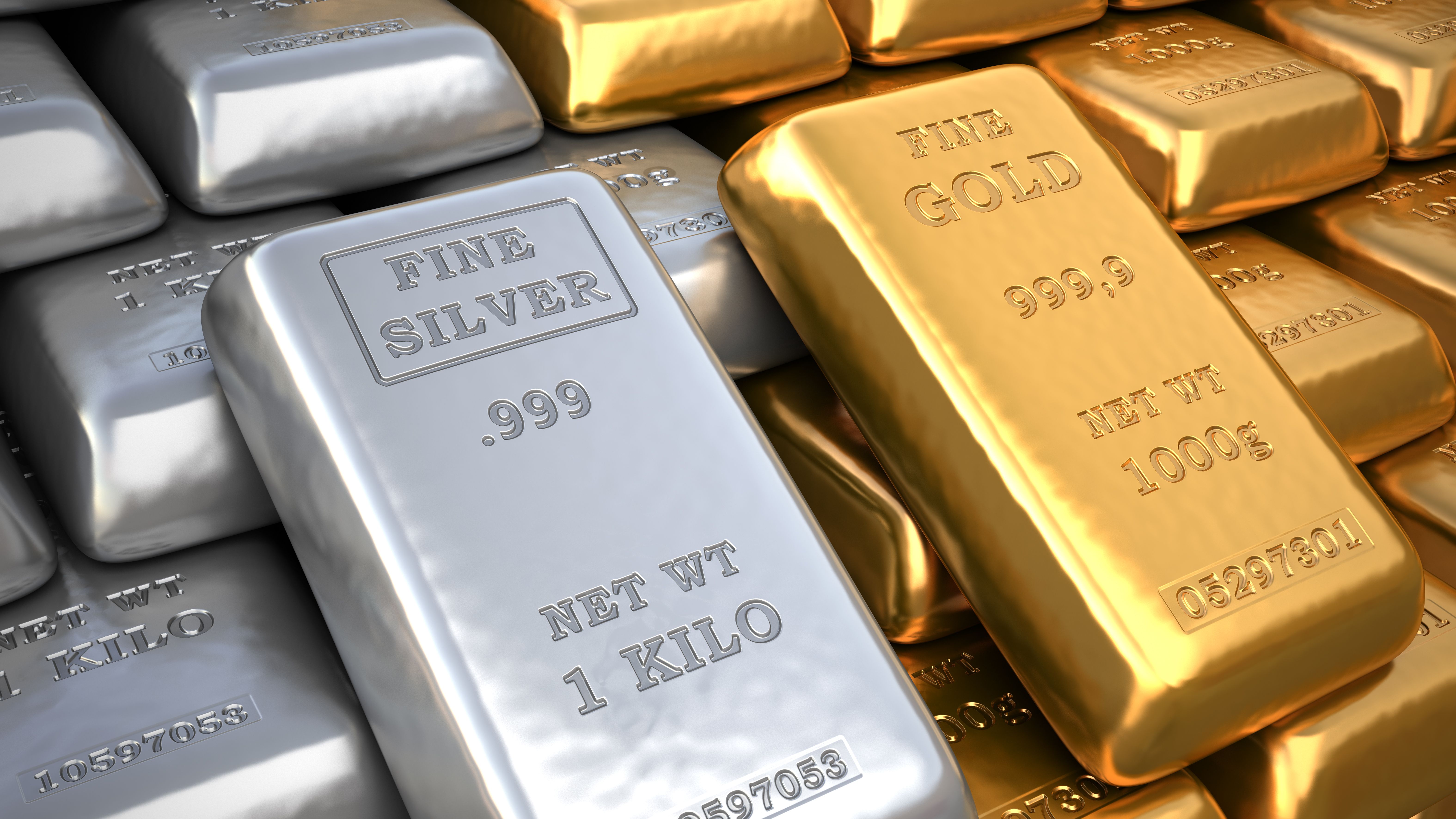
Gold is renowned for its ability to retain value over time. It acts as a hedge against inflation and currency fluctuations, ensuring that purchasing power is preserved. Many investors turn to gold during periods of geopolitical uncertainty, as it often experiences a surge in demand.
Besides being a stabilizing force in your portfolio, gold offers liquidity. You can easily buy or sell gold, providing flexibility when you need to adjust your investments. This ease of transaction makes gold an attractive option for both seasoned and new investors.
Silver: The Versatile Metal
Silver, often overshadowed by gold, plays a unique role in a diversified portfolio. It is not only a precious metal but also an industrial one, used in various technologies and manufacturing processes. This dual demand can lead to price increases, especially as technology evolves.
Investing in silver can be a cost-effective way to enter the precious metals market. Its lower price point compared to gold allows for more substantial purchases, potentially increasing profit margins. Silver's versatility adds another layer of diversity to your investment strategy.
How to Invest in Gold and Silver
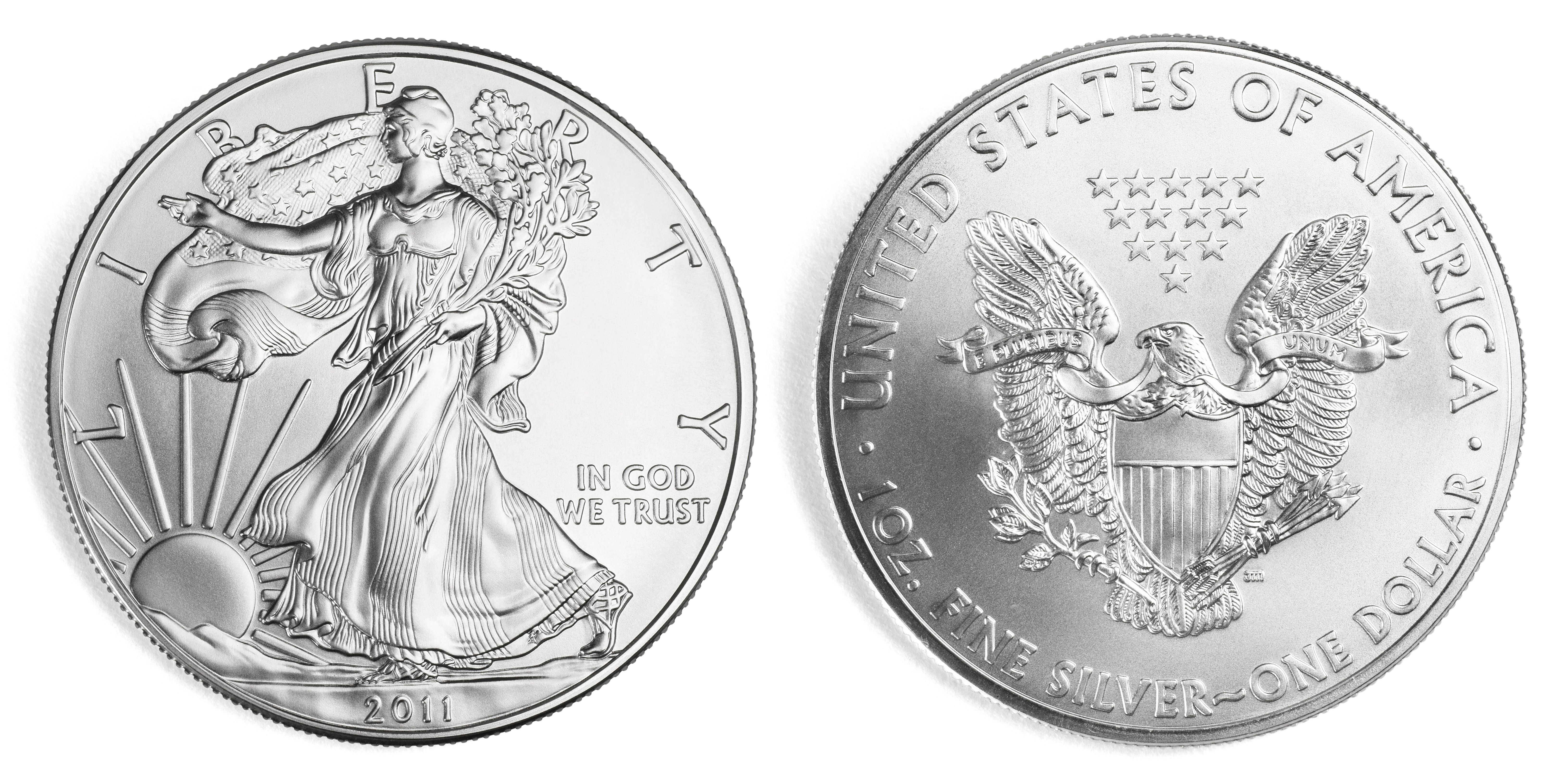
Investing in gold and silver can be done in several ways. Physical bullion, such as coins and bars, is a tangible asset that you can store securely. Alternatively, exchange-traded funds (ETFs) offer exposure to precious metals without the need for physical storage.
Another option is mining stocks, which allow you to invest in companies that extract gold and silver. While these stocks can be more volatile, they often provide higher returns. Carefully consider your risk tolerance and investment goals when selecting the best method for you.
Balancing Your Portfolio
When incorporating gold and silver into your retirement plan, it's essential to balance these assets with other investments. Overexposure can lead to increased risk, so maintaining a diverse portfolio is key. Monitor market trends and adjust your holdings as needed to align with your financial objectives.

Consulting with a financial advisor can provide personalized guidance tailored to your specific situation. They can help you determine the right allocation of precious metals, ensuring your retirement portfolio remains robust and resilient.
Conclusion
Diversifying your retirement portfolio with gold and silver offers a strategic way to protect against market volatility and inflation. By understanding the unique benefits of these metals and how to incorporate them effectively, you can enhance your investment strategy and secure a more stable financial future.
Whether you're new to investing or looking to refine your approach, considering precious metals as part of your retirement plan is a smart move. With careful planning and expert advice, you can create a portfolio that withstands the test of time.