
Emerging Markets vs. Developed Economies: Shifting Global Growth Patterns


In today’s rapidly changing global economy, the dynamics between emerging markets and developed economies are increasingly significant. As the world’s economic landscape evolves, understanding these shifting growth patterns is essential for investors, policymakers, and businesses alike.
Emerging markets typically include countries like China, India, Brazil, and South Africa. These nations are characterized by their fast-paced economic growth and industrialization. In contrast, developed economies like the United States, Germany, and Japan are known for their stable, mature markets and advanced infrastructure.
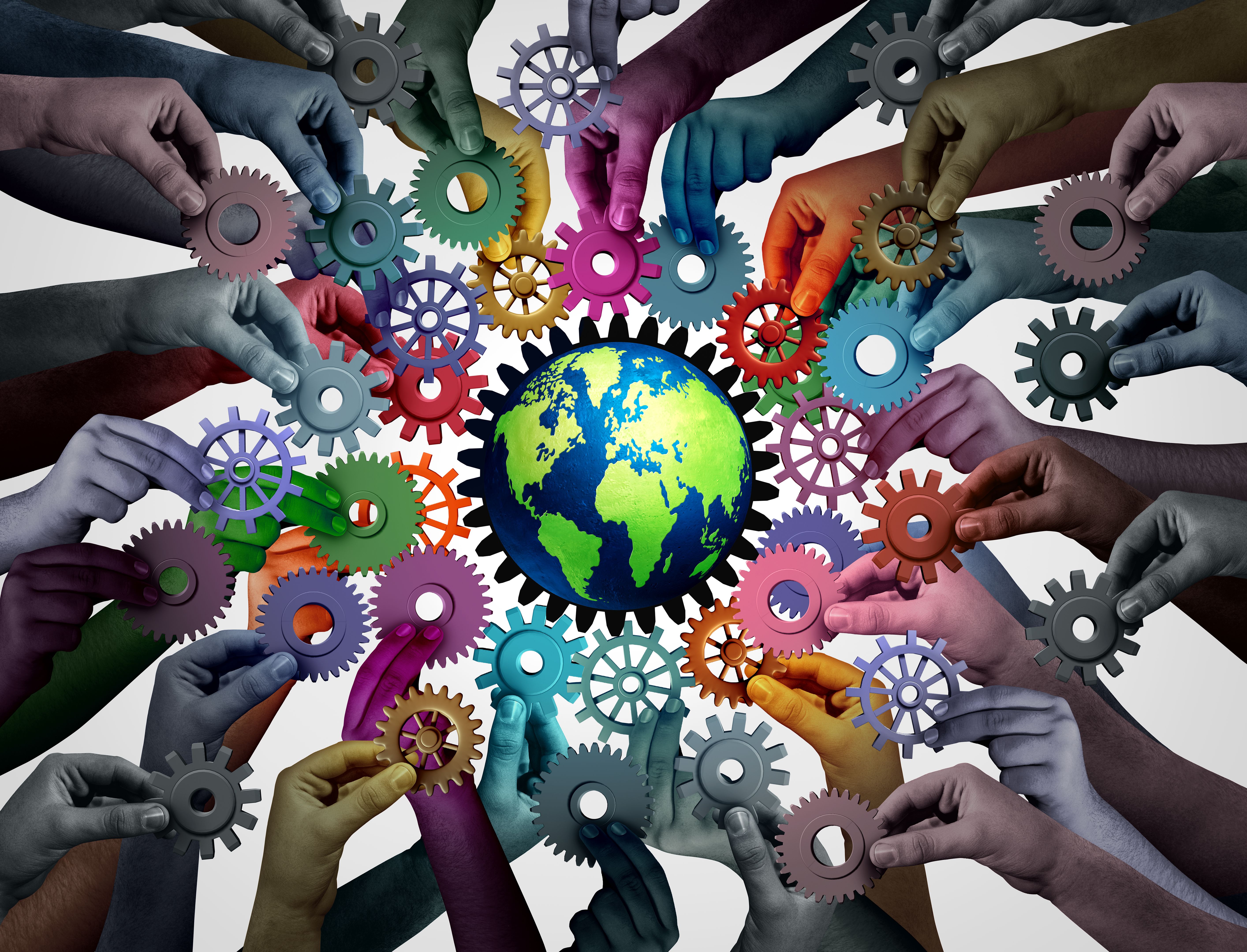
Growth Drivers in Emerging Markets
Emerging markets are often driven by factors such as a growing middle class, increased consumer spending, and rapid urbanization. These factors contribute to a robust demand for goods and services, spurring economic growth and attracting foreign investment.
Moreover, technological advancements and increased access to digital infrastructure are helping these economies leapfrog traditional developmental stages. This technological boost not only accelerates growth but also fosters innovation and entrepreneurship.

Challenges Facing Emerging Economies
Despite their growth potential, emerging markets face significant challenges. Political instability, inadequate infrastructure, and regulatory hurdles can impede economic progress. Additionally, these economies are often more vulnerable to external shocks, such as changes in global commodity prices or shifts in international trade policies.
Addressing these challenges requires strategic planning and investment in education, infrastructure, and governance. By doing so, emerging markets can enhance their resilience and continue to prosper.
Stability in Developed Economies
Developed economies benefit from established financial systems, strong institutional frameworks, and advanced technological capabilities. These factors contribute to their economic stability, making them less susceptible to volatility compared to emerging markets.
However, developed economies face their own set of challenges, such as aging populations, slower growth rates, and high levels of public debt. To sustain growth, these countries must focus on innovation, productivity improvements, and adapting to demographic changes.
The Interconnected Global Economy
The relationship between emerging markets and developed economies is increasingly interconnected. Trade, investment, and technology transfer create a symbiotic relationship that benefits both groups. For instance, developed economies often invest in emerging markets to tap into new growth opportunities, while emerging markets benefit from technology and expertise transfer.
This interconnectedness means that economic shifts in one region can have ripple effects globally. As such, understanding these dynamics is crucial for navigating the complexities of the global economy.
Investment Opportunities and Risks
Investors looking to capitalize on global growth patterns must carefully weigh the opportunities and risks in both emerging and developed markets. Emerging markets offer high growth potential but come with higher risks. In contrast, developed economies provide stability but may offer lower returns.
Diversification, thorough research, and a balanced approach are key strategies for investors seeking to benefit from global economic shifts. By staying informed and adaptable, investors can position themselves to take advantage of opportunities across the economic spectrum.
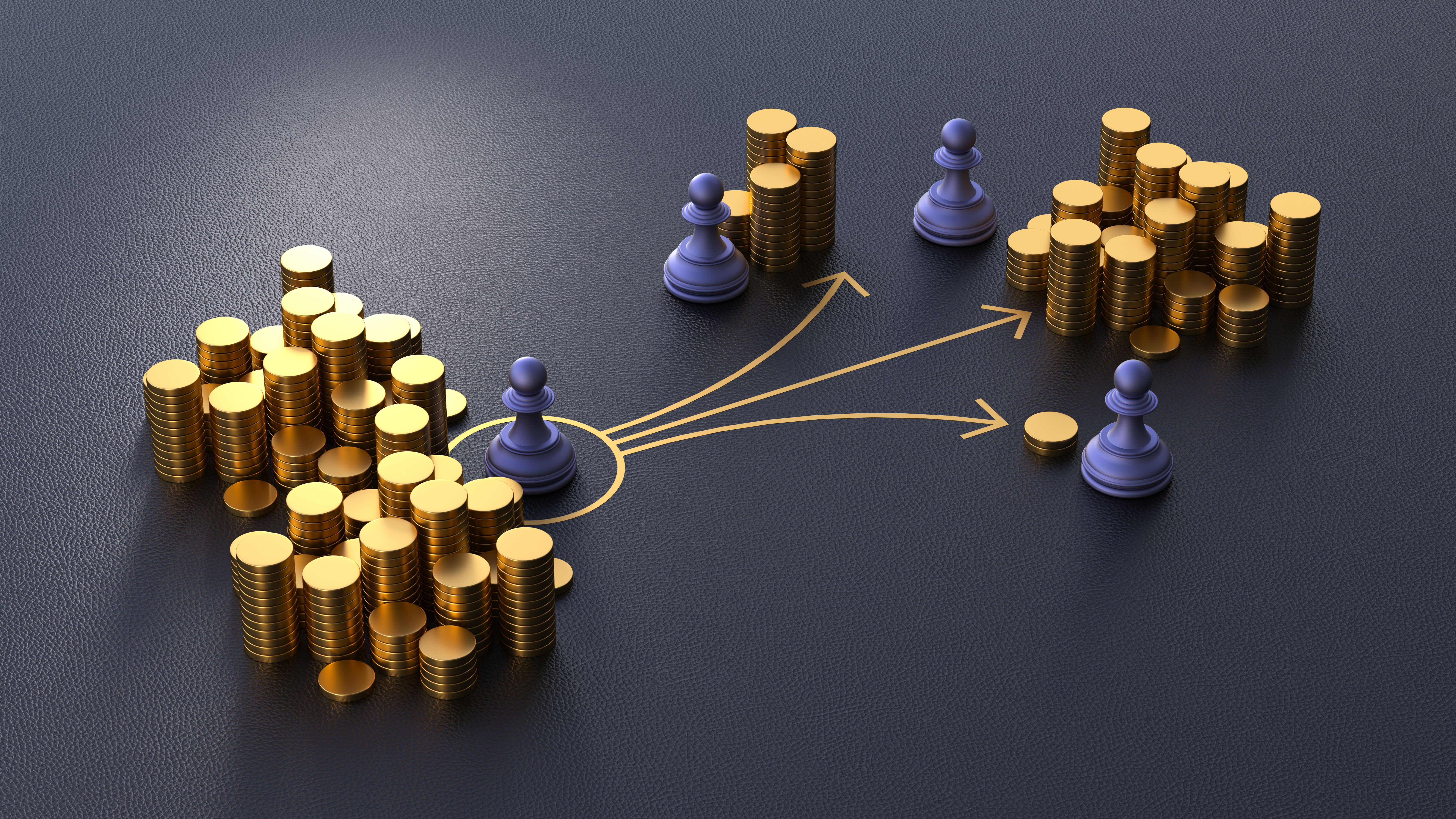
In conclusion, the shifting global growth patterns between emerging markets and developed economies present both opportunities and challenges. By understanding these dynamics, stakeholders can make informed decisions that drive economic success in an ever-evolving world.