
How History Shows Gold and Silver Surge During War


The Historical Relationship Between War and Precious Metals
Throughout history, gold and silver have been more than just commodities or symbols of wealth—they have been safe havens during times of conflict. The relationship between war and the surge in value of these precious metals is a phenomenon that has been observed repeatedly. Understanding why this occurs can provide valuable insights into both economic and geopolitical strategies.
Gold and Silver as Safe Havens
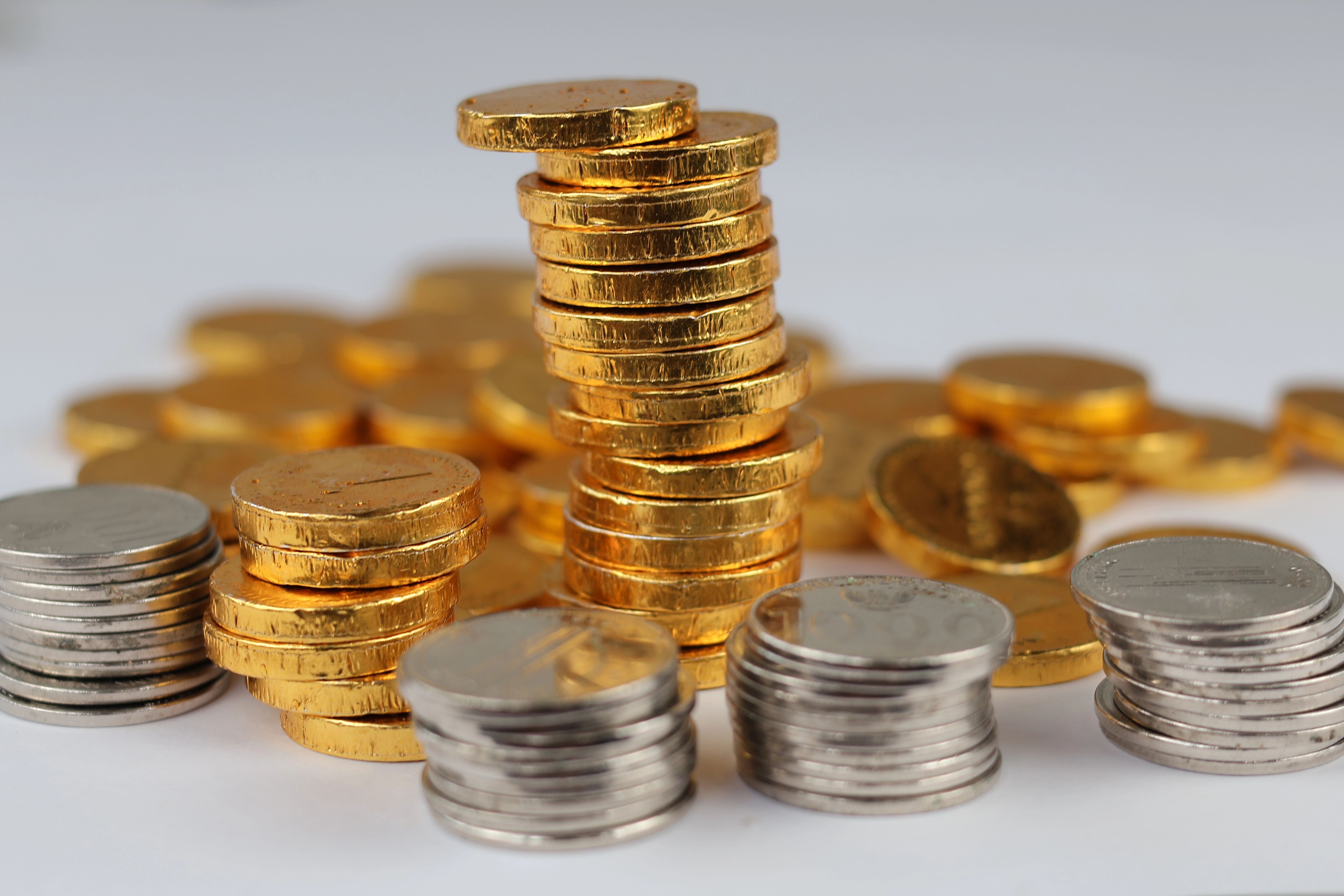
During periods of war, uncertainty and instability become prevalent. In such times, traditional investments like stocks can become volatile, prompting investors to seek safer alternatives. This is where gold and silver come into play. These metals have intrinsic value, are not subject to the whims of governments, and have historically been trusted as a store of value.
The demand for gold and silver often rises sharply during conflicts, causing their prices to surge. Investors flock to these metals to protect their wealth against inflation and currency devaluation, which are common during wartime.
Historical Examples of Price Surges
Several historical events demonstrate how gold and silver prices have reacted to war. For instance, during World War I and World War II, the demand for gold increased significantly as nations sought to secure their wealth. The Bretton Woods Agreement post-World War II further solidified gold's role in stabilizing economies.
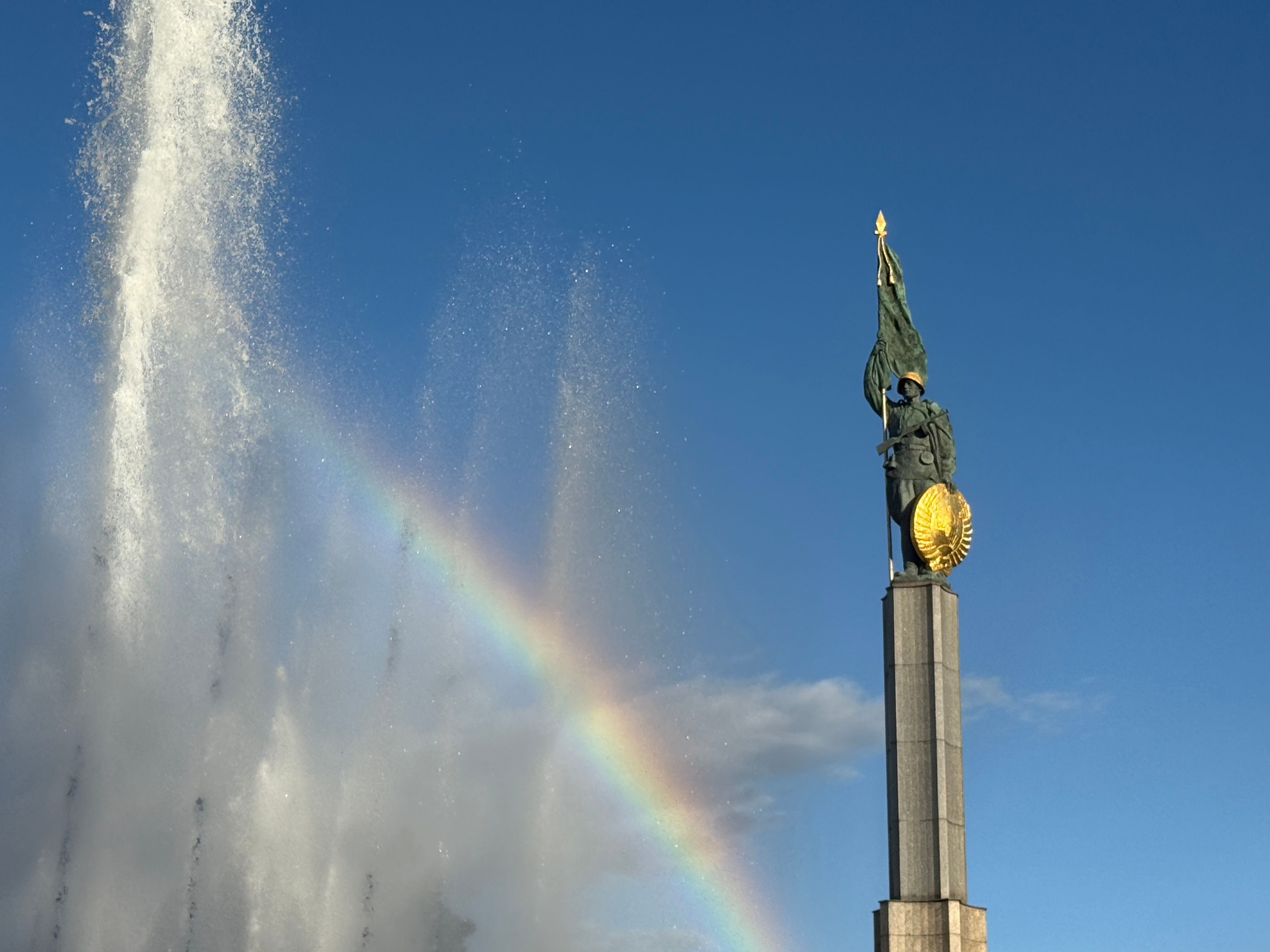
The Vietnam War also saw a surge in gold prices. As the war escalated in the late 1960s, the U.S. abandoned the gold standard, leading to increased demand and a subsequent rise in prices. Similarly, the Gulf War in the early 1990s saw gold and silver prices spike as investors sought to hedge against geopolitical risks.
Why Precious Metals Hold Value During Conflicts
The resilience of gold and silver during wars can be attributed to their scarcity and universal acceptance. Unlike paper currency, which can be printed at will, gold and silver have limited supplies. This scarcity ensures they retain value even when national economies are under strain.
Moreover, gold and silver are recognized globally, making them easy to trade across borders. This global acceptance is particularly crucial during wars, as geopolitical tensions can lead to currency fluctuations and trade disruptions.
The Modern Implications
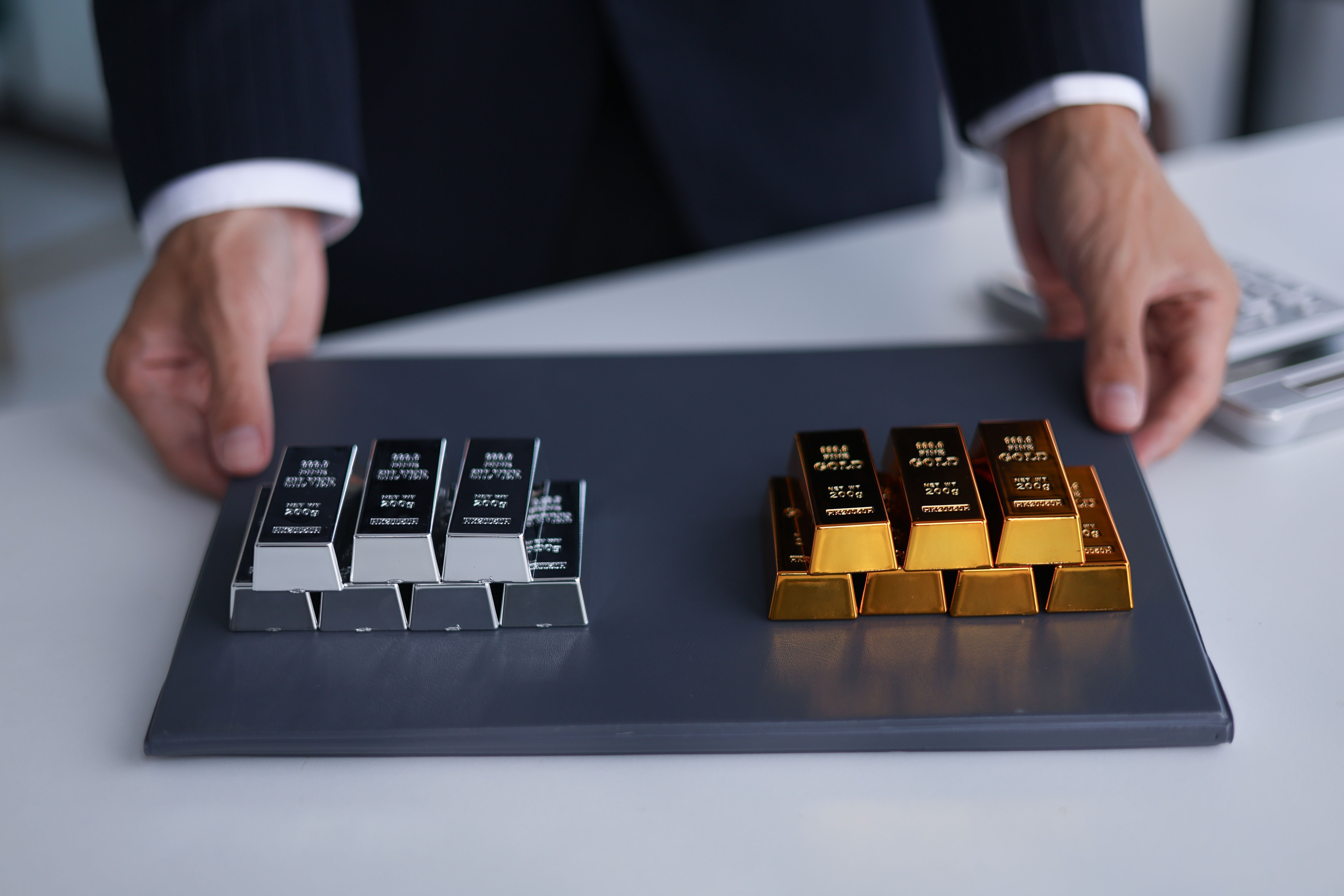
In today's interconnected world, the principles of gold and silver as safe havens remain relevant. While technology and digital currencies have introduced new dynamics, the fundamental reasons for the metals' historical surges during war persist. Investors continue to view them as reliable options for wealth preservation.
Understanding this historical context can help modern investors make informed decisions. By analyzing past trends, one can better anticipate how current and future conflicts might influence precious metal markets.
Conclusion
The historical surge of gold and silver during wars underscores their enduring value as safe havens. As global uncertainties continue, these metals provide not only a sense of security but also a strategic investment avenue. Recognizing their role during times of conflict can better prepare investors to navigate the complexities of today's financial landscape.