
Paper Silver vs. Physical Silver: Understanding the Differences


Introduction to Silver Investments
Investing in silver can be an attractive option for those looking to diversify their portfolios. Silver, like gold, has been a store of value for centuries. However, when it comes to silver investments, there are two main avenues: paper silver and physical silver. Understanding the differences between these two options is crucial for making informed investment decisions.
What is Paper Silver?
Paper silver refers to investment vehicles like exchange-traded funds (ETFs), futures contracts, and other financial instruments that represent silver but do not involve the physical ownership of the metal. These instruments provide a convenient way to gain exposure to silver prices without the need to store or insure physical silver.
Advantages of Paper Silver
The primary advantage of paper silver is its liquidity. Investors can easily buy and sell paper silver through their brokerage accounts, making it a flexible investment option. Additionally, paper silver allows for fractional investments, enabling investors to enter the market without committing substantial capital.

Understanding Physical Silver
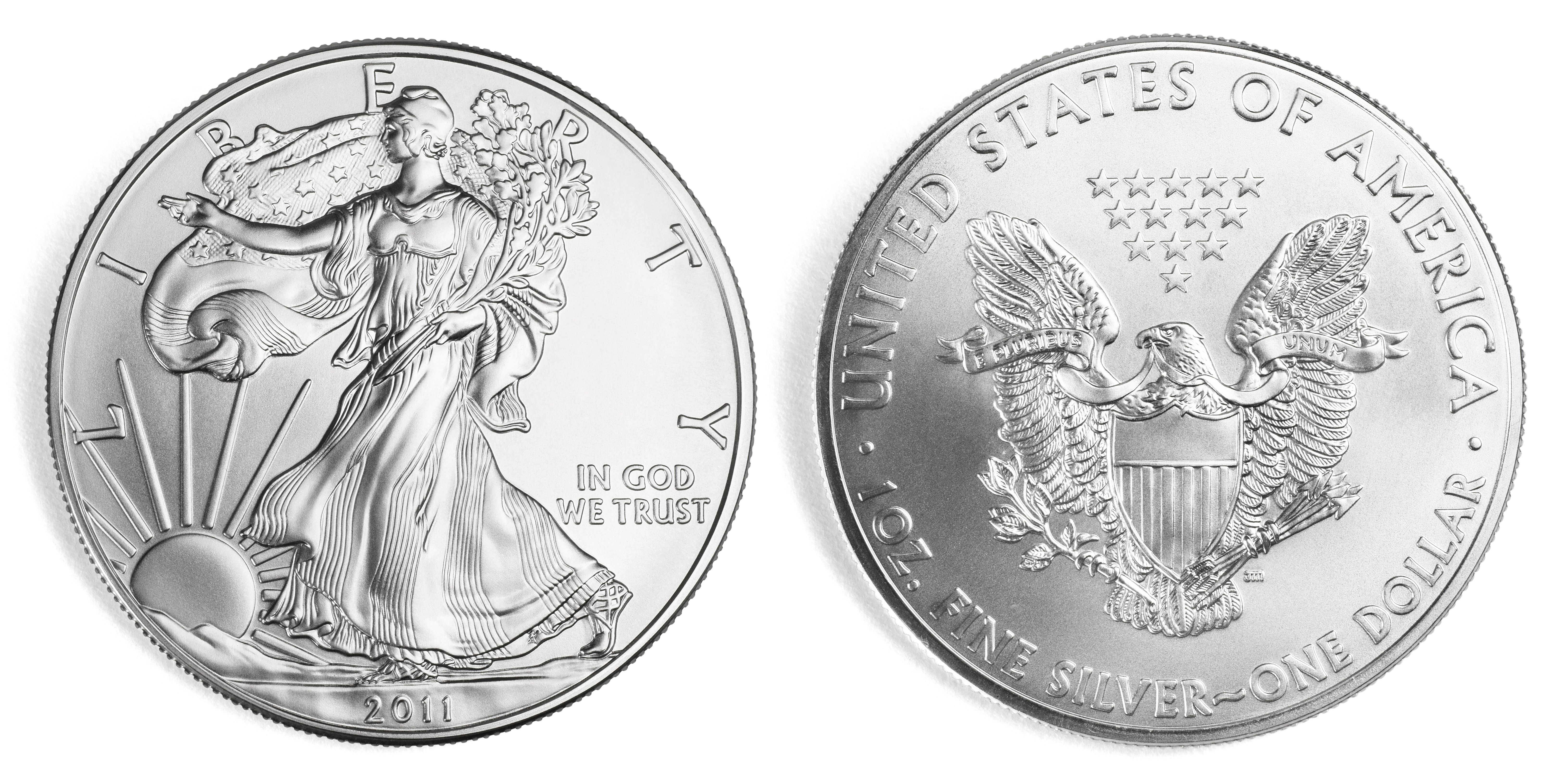
Physical silver involves purchasing tangible silver in the form of coins, bars, or rounds. This investment option appeals to those who prefer to hold a tangible asset and are concerned about the stability of financial markets.
Benefits of Physical Silver
One of the main benefits of physical silver is its intrinsic value. Unlike paper silver, physical silver does not rely on a financial institution's solvency and provides a hedge against inflation. Investors can store their silver securely and have it available in times of economic uncertainty.

Risks and Considerations
While both paper and physical silver have their advantages, they also come with risks. Paper silver is subject to market volatility and counterparty risk, where the financial institution responsible for the paper silver may default. On the other hand, physical silver requires secure storage and insurance, which can add to the investment cost.
Making the Right Choice
Deciding between paper and physical silver depends on individual investment goals and risk tolerance. Those seeking quick liquidity and lower upfront costs may prefer paper silver, while long-term investors looking for a tangible asset may opt for physical silver.

Conclusion
Both paper and physical silver offer unique benefits and challenges. Understanding these differences is essential for aligning your silver investment with your financial objectives. Whether you choose paper or physical silver, it’s important to conduct thorough research and consider your long-term goals before making a decision.