
Silver: The Smart Investor's Choice


Introduction to Silver Investing
When it comes to investing in precious metals, gold often takes the spotlight. However, silver offers a compelling alternative that savvy investors are increasingly considering. With its unique properties and market dynamics, silver can be a smart addition to any investment portfolio.
Silver is not just a precious metal; it's a versatile industrial commodity. This dual role allows silver to maintain value in economic downturns while also benefiting from industrial demand during periods of growth.
The Dual Nature of Silver
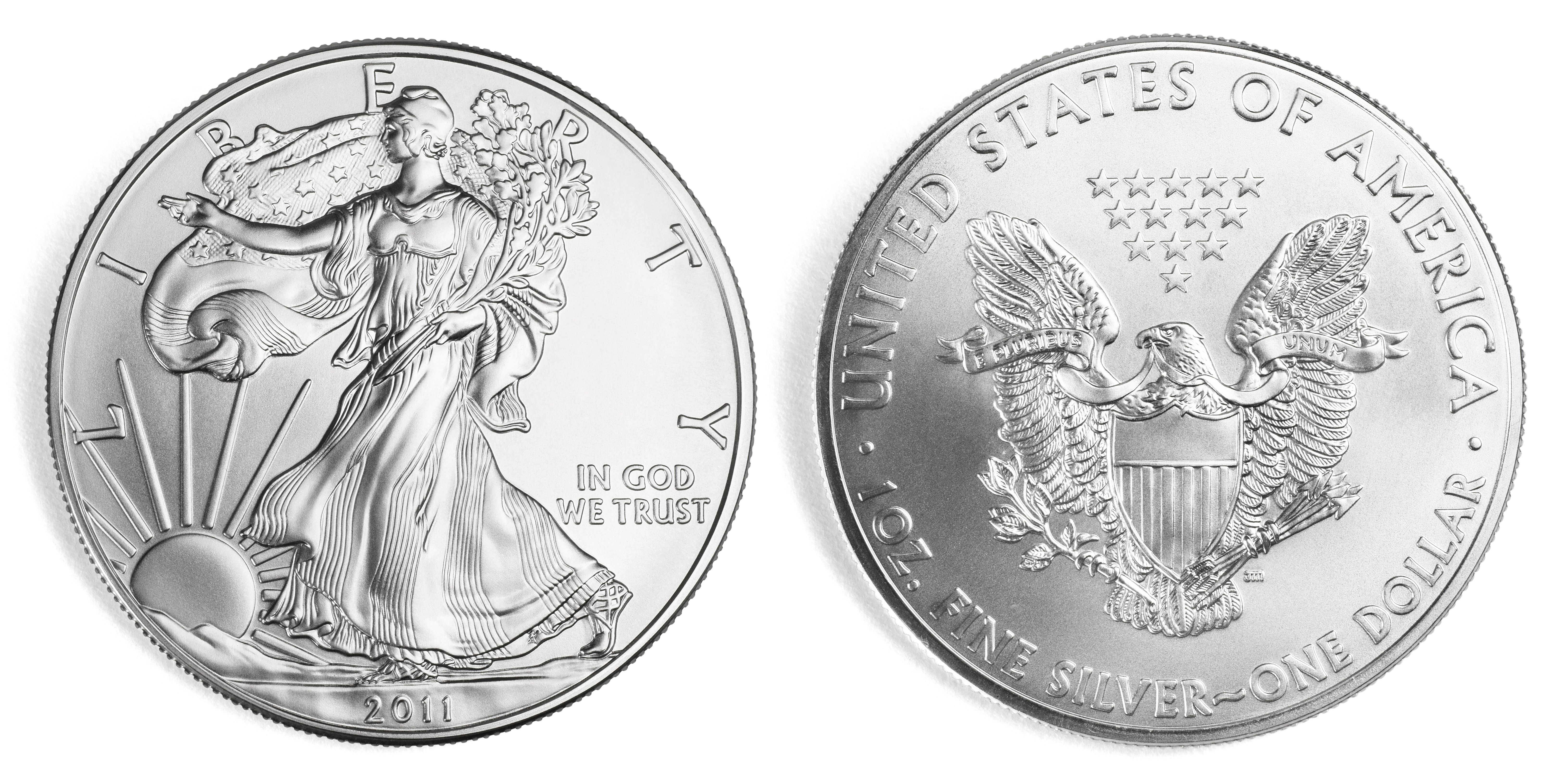
Silver's dual nature as both a precious metal and an industrial commodity provides a hedge against various economic scenarios. During uncertain times, silver is seen as a store of value, similar to gold. Conversely, its industrial applications drive demand when economies are flourishing.
Industries such as electronics, solar energy, and medical technologies rely heavily on silver. This demand provides a steady floor for silver prices, making it an attractive option for investors looking to diversify their portfolios.
Comparing Silver and Gold
While both silver and gold are precious metals, there are distinct differences that investors should consider. Silver is more volatile than gold, which means it can offer higher returns but also higher risks. Additionally, silver's price is more accessible, making it an attractive option for new investors.

Market Dynamics and Trends
The silver market is influenced by various factors, including geopolitical events, currency fluctuations, and changes in industrial demand. Understanding these dynamics can help investors make informed decisions.
For instance, as more countries invest in renewable energy, the demand for silver in solar panels is expected to rise. This trend creates opportunities for investors who are closely monitoring market shifts.
Understanding Supply and Demand
Silver's supply is primarily driven by mining activities and recycling. Any disruptions in these processes can lead to significant price changes. On the demand side, the rise of emerging markets and technological advancements continues to bolster silver consumption.
Strategies for Investing in Silver
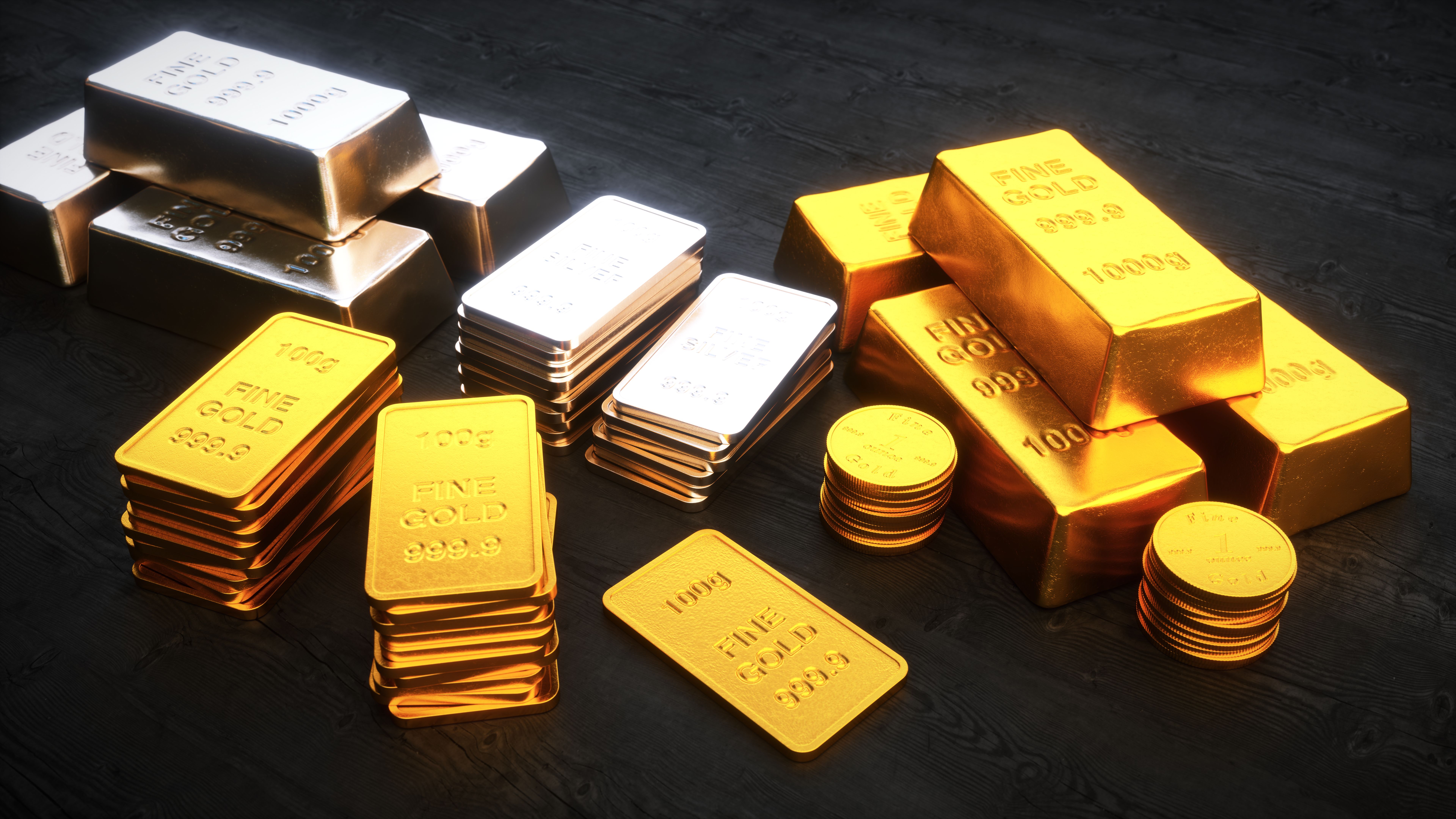
Investors have several options when it comes to adding silver to their portfolios. Physical silver, such as bars and coins, provides direct ownership. For those looking for liquidity, silver ETFs and stocks of mining companies offer an alternative.
It's important to assess your risk tolerance and investment goals before deciding on the best approach. A diversified strategy that includes multiple forms of silver investment can help mitigate risks while maximizing potential returns.
Potential Risks and Considerations
While silver offers many benefits, it's not without risks. Market volatility and potential regulatory changes can affect prices. Additionally, storage and insurance costs for physical silver should be considered.
Investors should stay informed about market trends and consult with financial advisors to navigate the complexities of silver investing. By doing so, they can capitalize on opportunities while minimizing potential downsides.