
Silver vs. Cash: Understanding the Hidden Value Erosion


The Erosion of Value in Cash
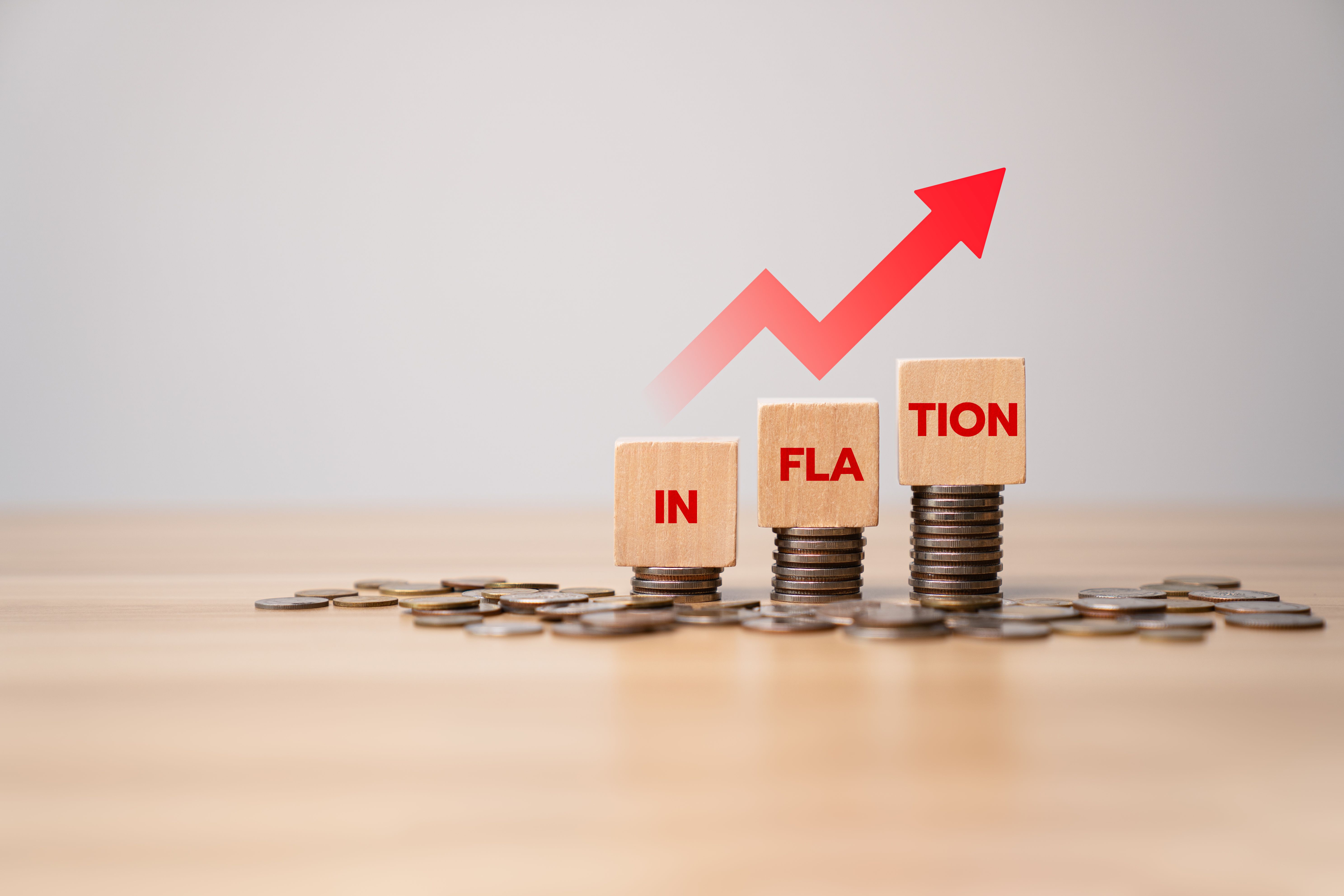
Many individuals hold onto cash as a safe and liquid asset, but little do they realize how inflation silently erodes its value over time. Inflation decreases the purchasing power of money, meaning what you buy today with a certain amount might cost significantly more in the future.
For example, a $100 bill today may not buy the same goods or services ten years from now. This steady decline in purchasing power can have a significant impact on savings and financial planning.
Silver: A Historical Hedge Against Inflation
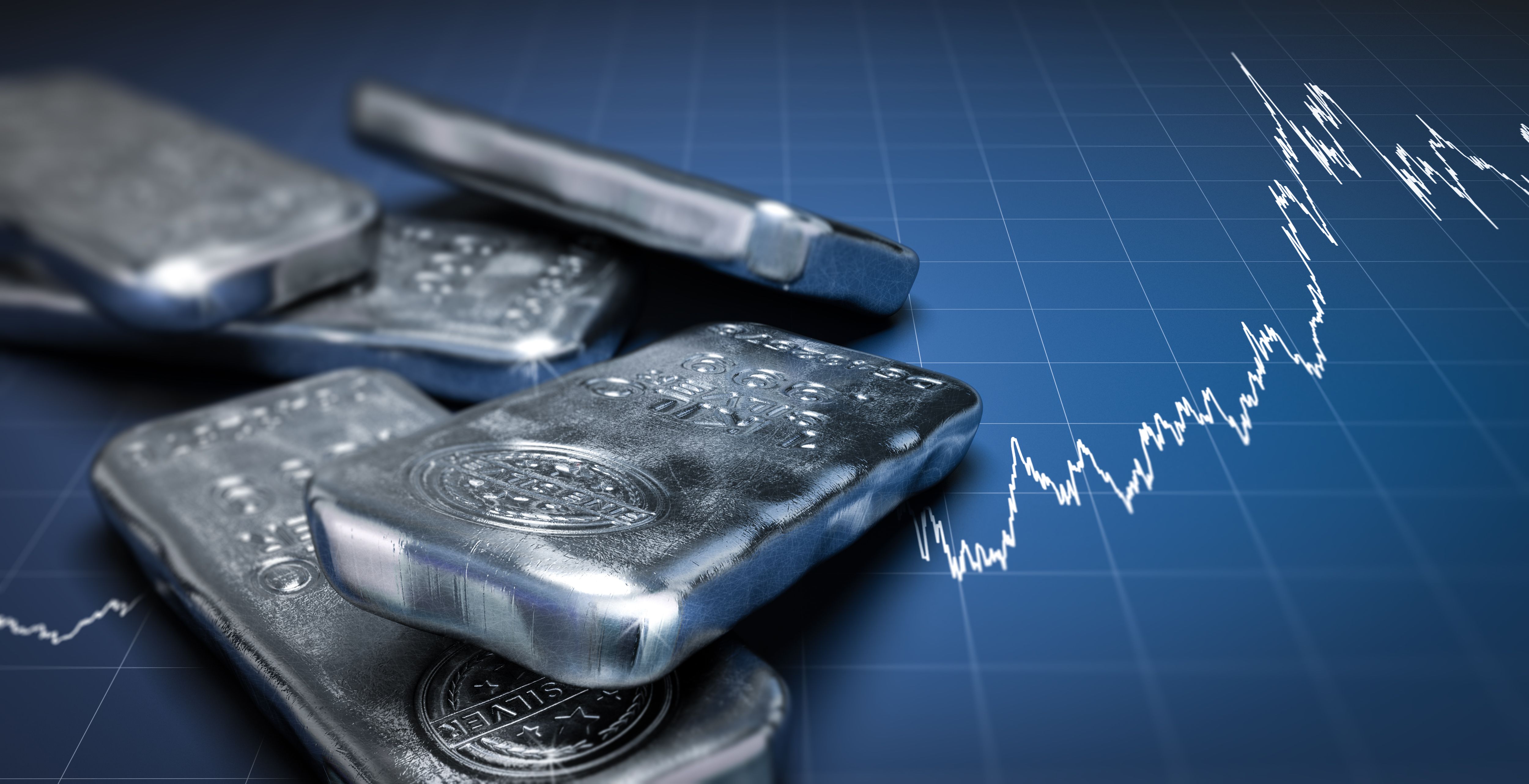
Unlike cash, silver has historically been used as a hedge against inflation. As a tangible asset, it retains intrinsic value, making it less vulnerable to economic fluctuations. When the value of currency drops, silver often maintains or increases its worth.
Silver's role as a store of value dates back centuries. Investors often turn to precious metals like silver during economic downturns or periods of high inflation, seeking stability in their portfolios.
The Benefits of Holding Silver
Investing in silver offers several advantages over cash. Here are a few key benefits:
- Intrinsic Value: Silver is a physical commodity with inherent worth.
- Diversification: It provides a hedge against market volatility and currency devaluation.
- Liquidity: Silver can be easily bought and sold, making it a flexible investment option.
Comparing the Risks
While silver offers potential benefits, it's important to consider the risks. The price of silver can be volatile, influenced by various factors such as industrial demand and geopolitical events. Unlike cash, which remains stable in nominal terms, silver's value can fluctuate significantly.
However, understanding these risks can help investors make informed decisions. Diversifying a portfolio with both cash and silver can balance safety and potential growth.
Strategizing Your Portfolio
When considering silver versus cash, it's crucial to align investment choices with financial goals and risk tolerance. A balanced approach might include a mix of both assets, leveraging the stability of cash and the growth potential of silver.
Consulting with financial advisors can provide personalized insights, ensuring that your investment strategy is both robust and adaptable to changing market conditions.
Conclusion: Making Informed Choices
Understanding the hidden value erosion of cash and the benefits of holding silver can guide better financial decisions. While cash offers liquidity, silver provides a potential hedge against inflation.
By educating yourself on the dynamics of cash and silver, you can make informed choices that safeguard your wealth against the uncertainties of the future.