
The Future of Silver in Electric Vehicles: Projections for 2025-2030


The electric vehicle (EV) revolution is well underway, with an increasing focus on sustainability and energy efficiency. One key material playing a crucial role in this transition is silver. As an excellent conductor of electricity, silver is integral to the development and performance of electric vehicles.
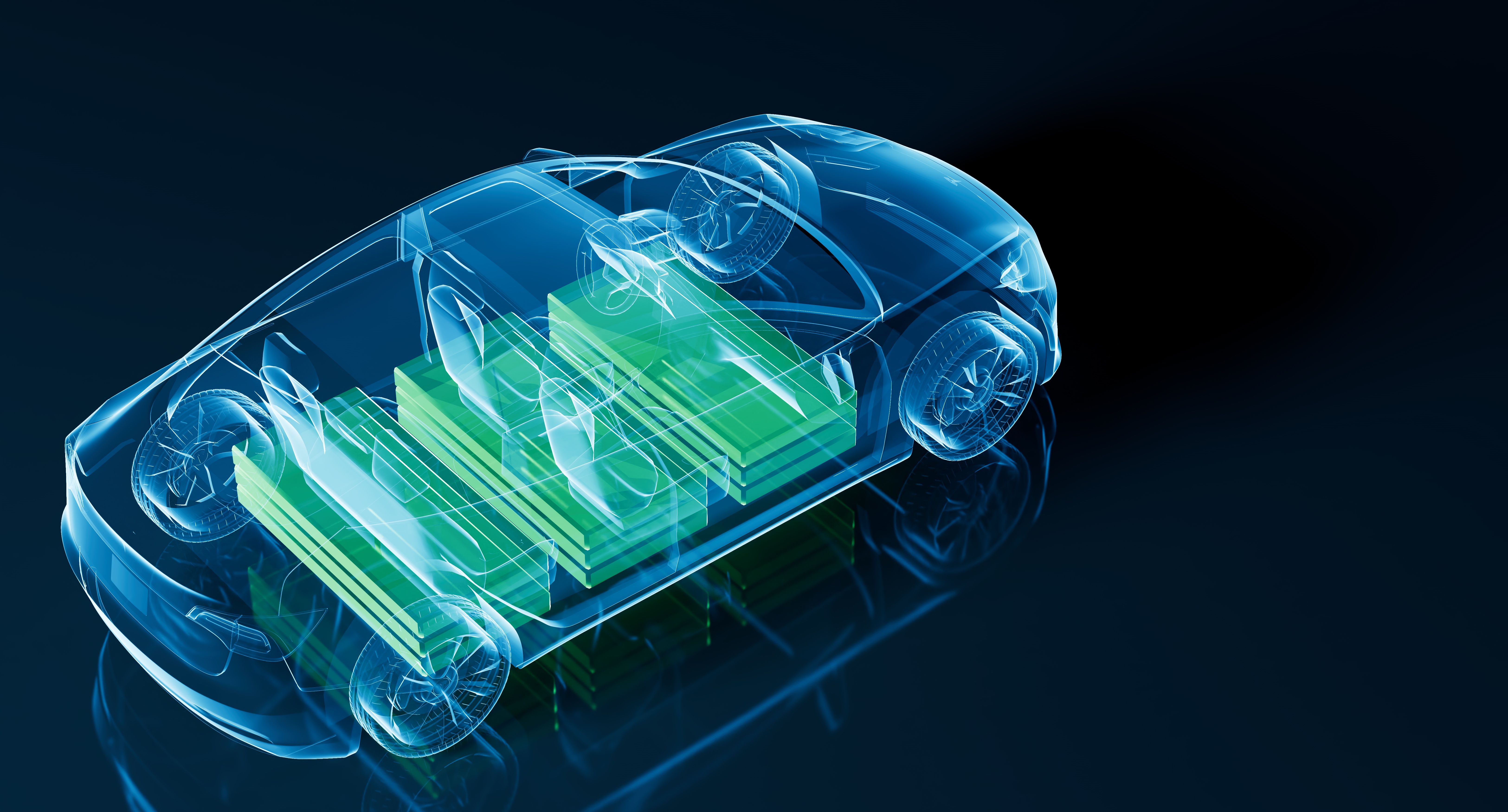
Why Silver Matters in EVs
Silver's unique properties, such as its high conductivity and resistance to corrosion, make it an ideal choice for various components in EVs. From battery management systems to electric motors, silver ensures efficient energy transfer and reliability, which are essential for the optimal performance of electric vehicles.
The demand for silver in the automotive sector is projected to grow significantly. With the rise of EV adoption, the automotive industry's silver consumption could become a major factor in the metal's market dynamics.
Current Usage and Trends
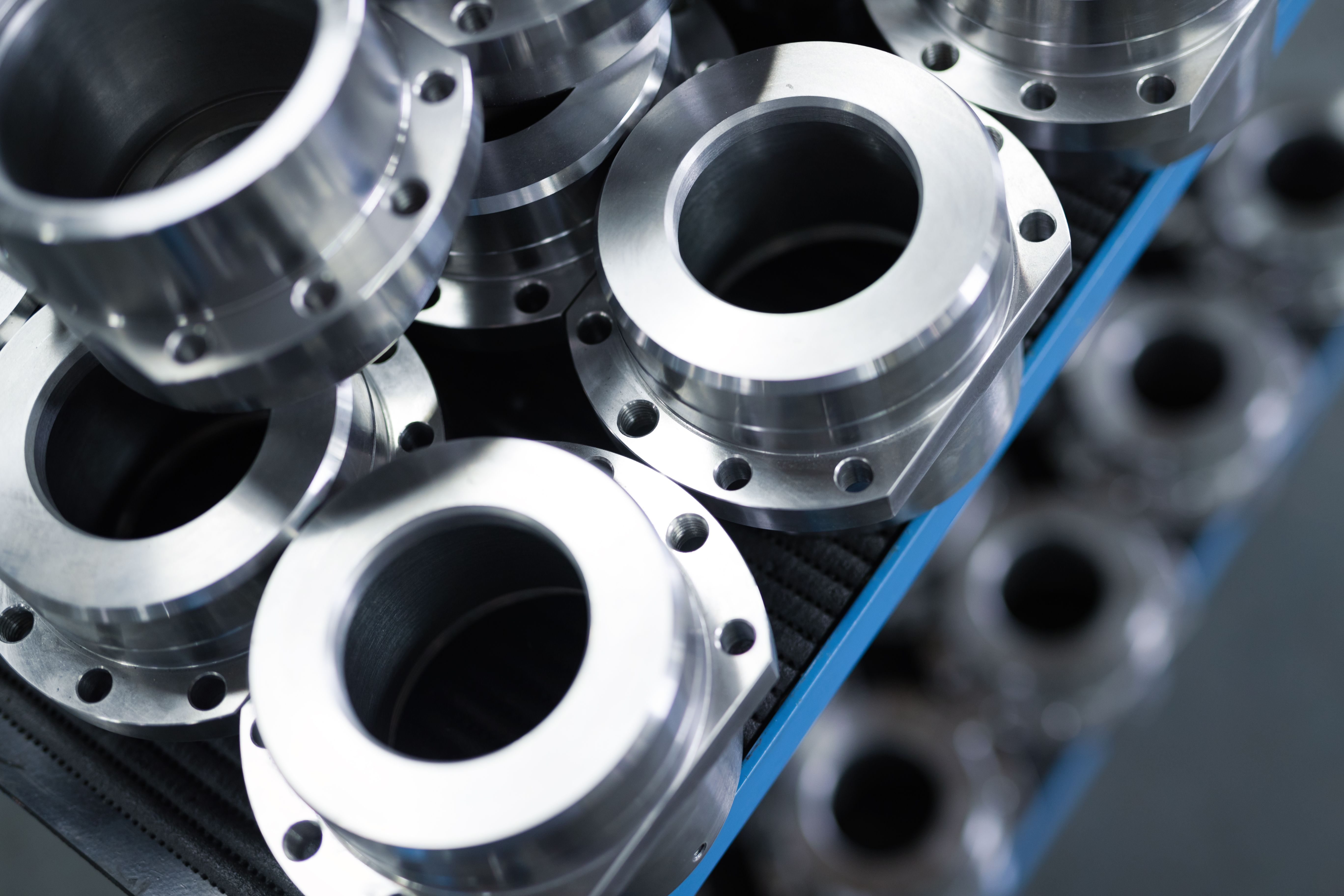
Currently, silver is used in a variety of components within electric vehicles, including connectors, conductors, and switches. As EV technology advances, the need for high-performance and durable materials like silver is expected to increase. This trend is reflected in recent forecasts predicting a rise in silver demand from the automotive sector.
Projections for 2025-2030
Looking ahead, experts anticipate that the silver market will see substantial growth between 2025 and 2030. Several factors are contributing to this trend:
- Increased production of electric vehicles as governments push for greener transportation solutions.
- Technological advancements requiring more sophisticated and efficient components.
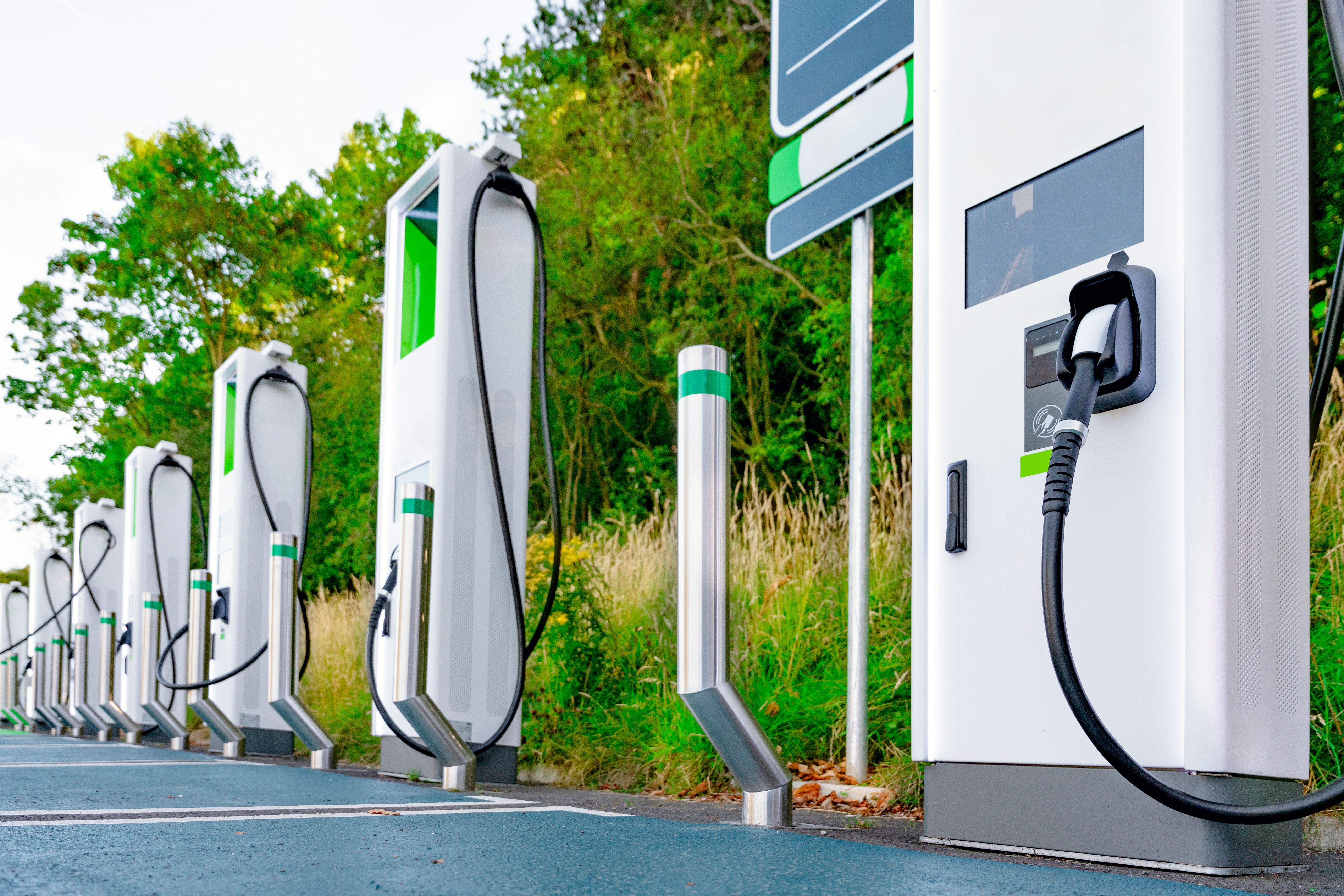
- Expansion of charging infrastructure, which relies on silver for efficient power transfer.
These factors, combined with the ongoing push for renewable energy sources, will likely drive the demand for silver in the coming years.
Challenges and Considerations
Despite its advantages, the increased demand for silver presents certain challenges. The mining and extraction process can have environmental impacts, and the industry must address sustainability concerns to maintain its growth trajectory. Additionally, fluctuations in silver prices can affect the cost dynamics of EV production.
Manufacturers and policymakers need to collaborate to ensure that the supply of silver remains stable and environmentally responsible. This may involve investing in recycling initiatives and exploring alternative materials where possible.
The Role of Innovation
Innovation will be key to overcoming these challenges. Developing new technologies and methods for utilizing silver more efficiently can help meet the growing demand. Furthermore, advancements in recycling and resource management can contribute to a more sustainable supply chain.
Ultimately, the future of silver in electric vehicles is bright. As the industry evolves, silver will continue to be a vital component in driving the shift towards a more sustainable and energy-efficient transportation system.