
Timing the Market: Silver Seasonality Insights


Understanding Silver Seasonality
Investing in silver can be a lucrative endeavor, but timing your entry and exit points is crucial. One strategy that investors often employ is leveraging the concept of seasonality. Seasonality refers to the periodical fluctuations in asset prices based on the time of year. By understanding these patterns, investors can make more informed decisions.
Silver's seasonality is influenced by several factors, including industrial demand, jewelry consumption, and macroeconomic trends. Historically, certain months have shown more favorable conditions for investing in silver. Understanding when these peaks and troughs occur can provide a significant edge.
The Historical Patterns of Silver
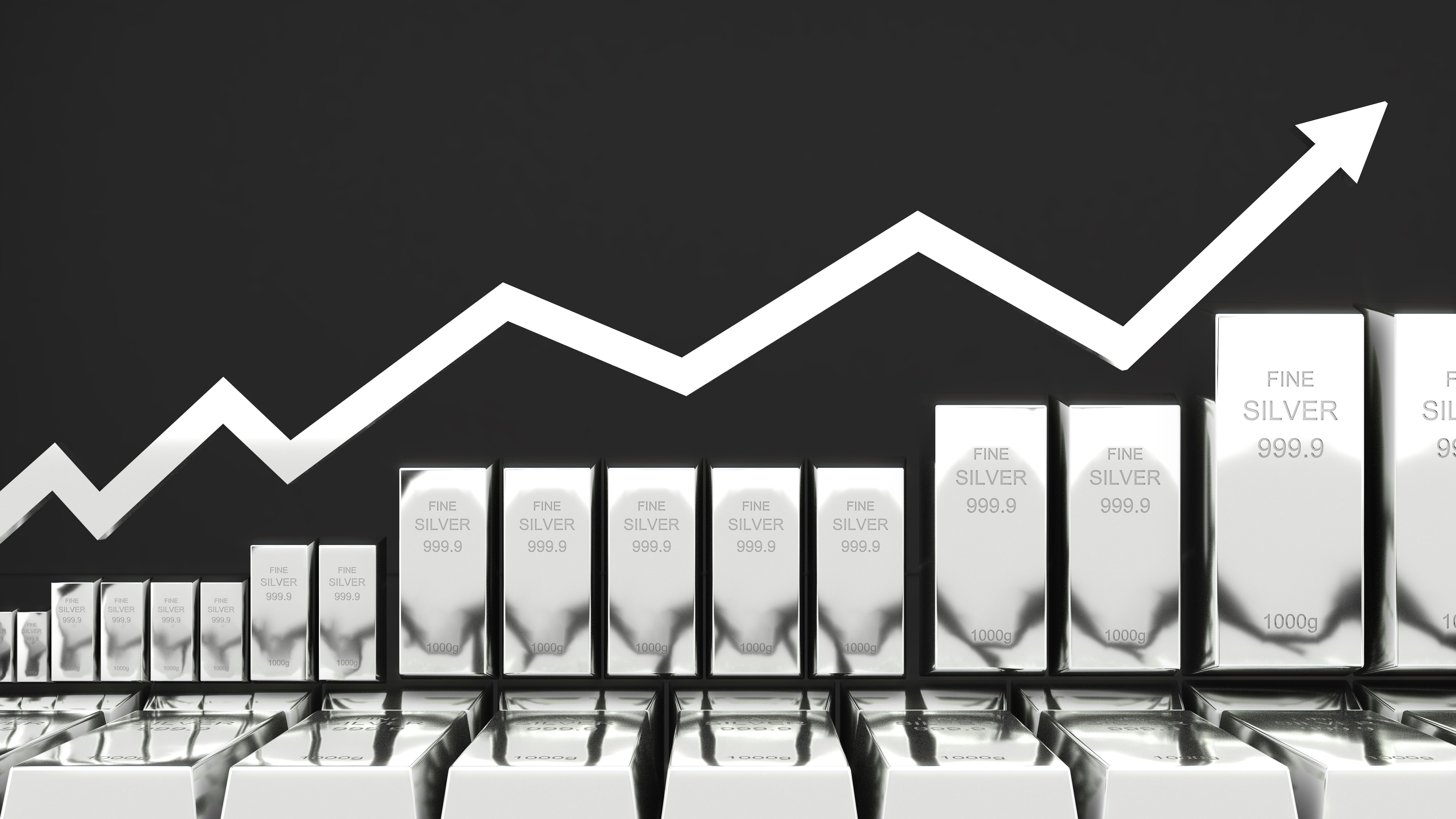
To identify the best times to buy or sell silver, investors often look at historical data. Over the past few decades, silver has demonstrated a tendency to perform well during specific months. For instance, January and September have historically been strong months for silver prices. Conversely, June and October have often seen weaker performance.
This historical pattern is not a guarantee of future performance, but it serves as a useful guide. Investors can use these insights to plan their trading strategies and potentially enhance their returns.
Factors Influencing Silver Seasonality
Several factors contribute to the seasonal trends in silver prices. Industrial demand for silver, which is used in electronics and solar panels, can vary throughout the year. Additionally, the demand for silver jewelry tends to increase during holiday seasons, impacting prices favorably.
Geopolitical events and economic indicators also play a role. Inflation fears, currency fluctuations, and changes in interest rates can all affect silver prices. By keeping an eye on these factors, investors can better anticipate market movements.
Strategies for Timing the Market
Timing the market with silver seasonality requires a strategic approach. Here are some tips to consider:
- Research Historical Data: Analyze past performance data to identify patterns and trends.
- Monitor Economic Indicators: Keep track of global economic conditions that may impact silver prices.
- Stay Informed: Follow the latest news and expert analyses to make timely decisions.
By combining these strategies with a solid understanding of silver seasonality, investors can enhance their decision-making process.
Risks and Considerations
While leveraging seasonality can be beneficial, it is essential to recognize the risks involved. Market conditions can change rapidly, and past performance is not always indicative of future results. External factors such as geopolitical tensions or unexpected economic shifts can disrupt established patterns.
Investors should also be wary of over-reliance on seasonal trends. Diversification and a well-rounded investment strategy are crucial to mitigating potential risks.
Conclusion
Timing the market with silver seasonality insights can be a valuable tool for investors looking to optimize their returns. By understanding historical patterns, monitoring influential factors, and employing strategic approaches, investors can navigate the silver market more effectively.
However, it's important to remain vigilant and adaptable, as market dynamics can change. With careful analysis and a balanced strategy, investors can make informed decisions in the ever-evolving world of silver trading.