
Understanding Average Credit Scores in Your 40s and 50s


As you enter your 40s and 50s, your financial priorities begin to shift. Understanding your credit score during these decades is crucial for maintaining financial health and achieving your long-term goals. Your credit score affects everything from loan approvals to interest rates, making it essential to know where you stand and how to improve it if necessary.

What is a Credit Score?
A credit score is a numerical expression based on your credit files, representing your creditworthiness. Lenders use this score to determine the risk of lending you money. Scores typically range from 300 to 850, with higher scores indicating better creditworthiness. For those in their 40s and 50s, maintaining a good credit score can mean access to better interest rates and financial products.
Factors Affecting Your Credit Score
Several factors influence your credit score:
- Payment History: Timely payments boost your score, while late payments can significantly harm it.
- Credit Utilization: The ratio of your current credit card balances to your credit limits. Keeping this below 30% is advisable.
- Length of Credit History: A longer credit history can positively impact your score.
- New Credit Inquiries: Frequent applications for new credit can lower your score.
- Types of Credit: A mix of credit types (e.g., credit cards, mortgages) can benefit your score.
Average Credit Scores in Your 40s
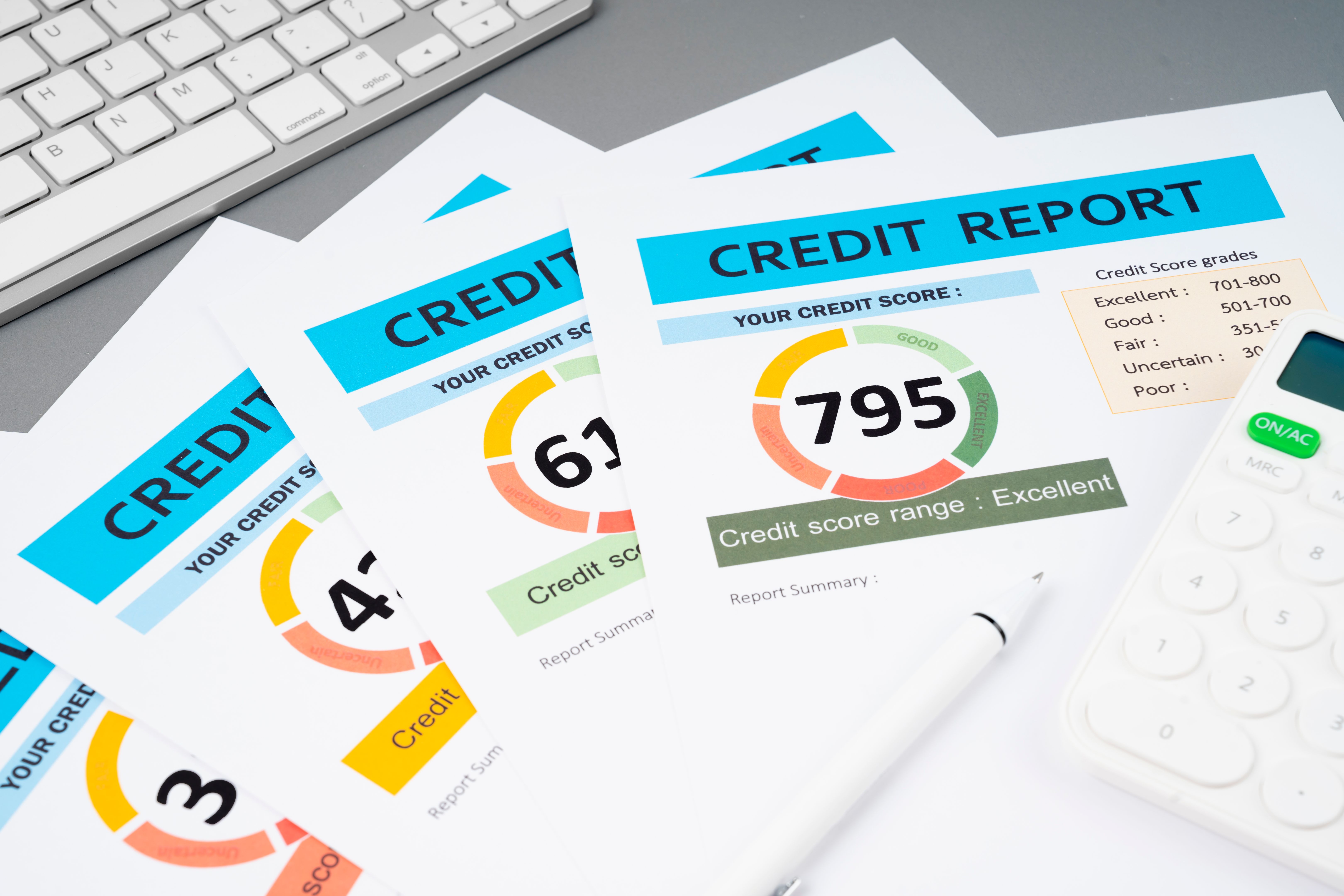
By your 40s, many individuals have established a solid credit history. The average credit score for people in this age group often falls between 670 and 739, considered a good range. During this decade, major life events such as upgrading a home or funding children's education can impact financial decisions, making a good credit score valuable.
Improving Your Score
If your score isn't where you'd like it to be, consider these strategies:
- Regularly review your credit report for errors.
- Pay down high credit card balances.
- Set up automatic payments to avoid late fees.
- Avoid opening unnecessary lines of credit.

Average Credit Scores in Your 50s
For those in their 50s, credit scores often improve further as financial stability increases. Average scores tend to fall in the 700-749 range. This is a time when many start to focus on retirement planning, and a higher credit score can be advantageous for securing favorable terms on any new loans or refinancing opportunities.
Maintaining Your Score
To maintain or improve your score in your 50s, consider focusing on:
- Continuing to pay bills on time.
- Keeping credit card balances low.
- Monitoring your credit report for accuracy.
- Consulting a financial advisor for personalized guidance.
Understanding and managing your credit score in your 40s and 50s is crucial for financial success. By staying informed and proactive, you can ensure that your credit health supports your financial goals.