
Understanding De-Dollarization: Implications for Silver Investors


In recent years, the term de-dollarization has gained traction in financial circles. As nations and institutions seek alternatives to the U.S. dollar for international trade and reserves, this trend has significant implications for various asset classes, including silver. This post explores the concept of de-dollarization and its potential impact on silver investors.
What is De-Dollarization?
De-dollarization refers to the process by which countries reduce their reliance on the U.S. dollar in international trade and finance. This shift can occur through diversifying reserve currencies, establishing bilateral trade agreements in local currencies, or increasing gold and other asset holdings. The motivations behind de-dollarization include geopolitical considerations, economic sanctions, and the desire for greater financial sovereignty.
As the world becomes more interconnected, the dominance of the dollar has faced challenges. Countries like China and Russia are actively promoting alternatives to the dollar, aiming to reduce exposure to U.S. economic policies and exchange rate fluctuations.

Silver's Role in a De-Dollarizing World
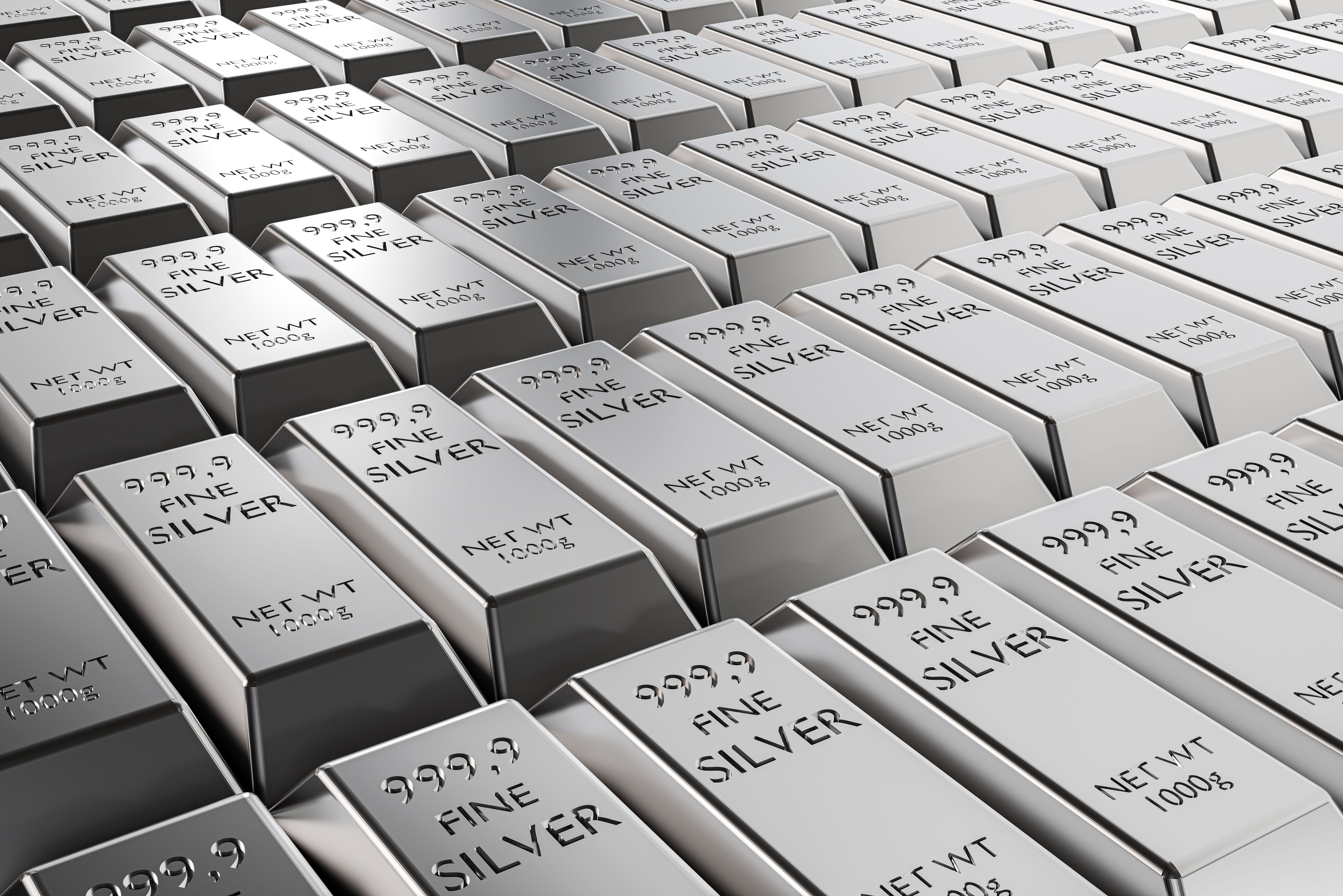
Silver, often overshadowed by gold, plays a unique role in both the industrial and investment sectors. As nations seek to diversify their reserves, silver's appeal as a tangible asset may increase. Its use in technology, renewable energy, and electronics underscores its industrial value, while its status as a precious metal supports its investment potential.
Investors considering silver should be aware of how de-dollarization might influence its demand. As countries move away from the dollar, they may increase their holdings of tangible assets like silver, potentially driving up prices.
Potential Benefits for Silver Investors
For silver investors, de-dollarization presents several potential benefits:
- Diversification: Silver offers a hedge against currency risk as nations diversify away from the dollar.
- Increased Demand: As countries seek alternatives to the dollar, silver may see increased demand as a reserve asset.
- Price Appreciation: With higher demand, silver prices could rise, benefiting investors holding the metal.
Challenges and Risks
While the prospects of de-dollarization may seem promising for silver, there are challenges and risks to consider. The pace of de-dollarization can be slow, and the transition to alternative currencies is complex. Additionally, economic and geopolitical factors can influence silver prices in unpredictable ways.
Investors should also be cautious of market volatility. Silver's price can fluctuate based on industrial demand, speculative trading, and macroeconomic trends. Staying informed about global financial developments is crucial for making strategic investment decisions.
Strategic Considerations for Silver Investors
To navigate the evolving landscape of de-dollarization, silver investors should consider the following strategies:
- Stay Informed: Keep abreast of global economic policies and geopolitical shifts that may impact currency markets and silver demand.
- Diversify Holdings: Combine silver with other assets to mitigate risks associated with market volatility.
- Long-Term Perspective: Consider silver as part of a long-term investment strategy, focusing on its potential for growth amid global financial changes.
In conclusion, understanding de-dollarization and its implications is essential for silver investors. While challenges exist, the potential benefits of increased demand and price appreciation make silver an attractive option for diversifying investment portfolios. By staying informed and adopting strategic investment practices, investors can position themselves to capitalize on the opportunities presented by this global economic shift.