
Understanding Debt, Credit Conditions, and Financial Stability Risks


In today's complex financial landscape, understanding the dynamics of debt, credit conditions, and financial stability risks is crucial. These elements play a significant role in shaping economic outcomes, influencing everything from personal finance to global markets.
Debt is a common financial tool used by individuals, businesses, and governments to finance operations and growth. While it can provide necessary capital, it's essential to manage it wisely to avoid the pitfalls of over-leveraging. Excessive debt can lead to financial instability and default, impacting not only the borrower but also the broader economy.

Understanding Credit Conditions
Credit conditions refer to the availability and cost of credit in the economy. They are influenced by various factors, including interest rates, lender policies, and economic conditions. When credit is easily accessible and affordable, it can fuel economic growth by allowing businesses and consumers to invest and spend more.
However, overly lenient credit conditions can lead to excessive borrowing and asset bubbles, which may eventually burst and cause economic downturns. Therefore, maintaining a balance in credit conditions is vital for sustainable economic growth.

Factors Affecting Credit Conditions
Several factors impact credit conditions, including central bank policies, inflation rates, and global economic trends. Central banks often adjust interest rates to influence credit conditions, aiming to either stimulate or cool down the economy as needed.
- Interest Rates: Lower rates typically encourage borrowing, while higher rates can restrict it.
- Inflation: High inflation can lead to tighter credit conditions as lenders protect their returns.
- Economic Trends: Global uncertainties can tighten credit conditions as lenders become more risk-averse.
Financial Stability Risks
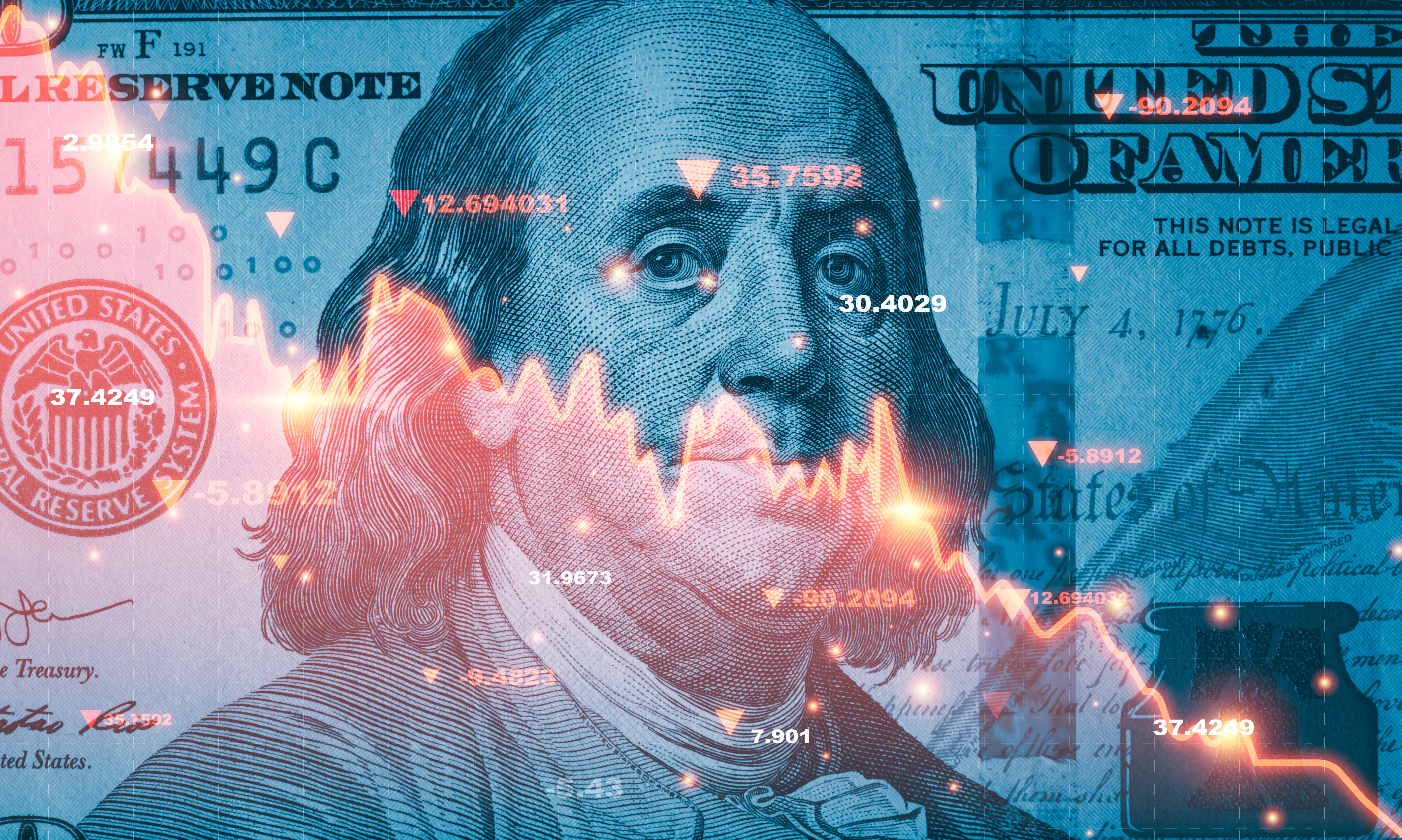
Financial stability risks arise when the financial system is vulnerable to shocks, potentially leading to severe economic disruptions. These risks can stem from various sources, including high levels of debt, asset bubbles, and systemic risks within financial institutions.
Mitigating Financial Stability Risks
To mitigate these risks, policymakers and financial institutions work to implement regulations and safeguards. These measures include stress testing banks, enforcing capital requirements, and monitoring systemic risks.
Individuals can also take steps to protect themselves from financial instability by diversifying investments, maintaining emergency savings, and staying informed about economic trends. Being proactive and informed can help mitigate potential risks associated with financial instability.
In conclusion, understanding debt, credit conditions, and financial stability risks is essential for navigating the modern financial landscape. By staying informed and making prudent decisions, individuals and businesses can better manage these elements to secure a more stable financial future.