
Understanding Government Debt and Its Impact


Introduction to Government Debt
Understanding government debt is crucial for comprehending the broader economic landscape. Government debt, often referred to as public debt, is the total amount of money that a country's government has borrowed. This debt can be either internal, owed to lenders within the country, or external, owed to foreign creditors.
Governments borrow money to cover deficits, invest in infrastructure, and stimulate economic growth. While debt can be a useful tool for managing a country's finances, excessive debt levels can lead to financial instability.

How Government Debt Works
Governments issue bonds to finance their debt. These bonds are essentially IOUs that promise to pay back the principal amount along with interest on a set date. Investors, ranging from individuals to large institutions, buy these bonds, providing the government with the necessary funds.
The interest rate on government bonds can significantly impact the overall cost of borrowing. Higher interest rates mean increased costs for the government, which can affect public services and investments.
Types of Government Debt
Government debt is typically categorized into two main types:
- National Debt: The total amount of money a national government owes, including both domestic and foreign obligations.
- Sovereign Debt: Debt issued by a national government in a foreign currency.
Impact on the Economy
The level of government debt has a significant impact on a country’s economy. When managed properly, debt can spur economic growth by funding infrastructure projects that create jobs and improve productivity. However, excessive debt levels can lead to higher taxes and reduced public spending.

Moreover, high government debt can lead to inflation if the government prints more money to pay off its obligations. Inflation erodes purchasing power and can lead to increased interest rates, affecting both consumers and businesses.
Debt and Fiscal Policy
Fiscal policy refers to the use of government spending and taxation to influence the economy. When governments run large deficits, they may need to adjust fiscal policies to manage debt levels. This can include raising taxes or cutting public spending, both of which can have wide-ranging effects on the economy.
Global Perspectives
Different countries have varying levels of government debt, influenced by their economic policies and fiscal management. For instance, countries like Japan have high debt-to-GDP ratios but maintain stable economies due to their ability to control inflation and interest rates effectively.
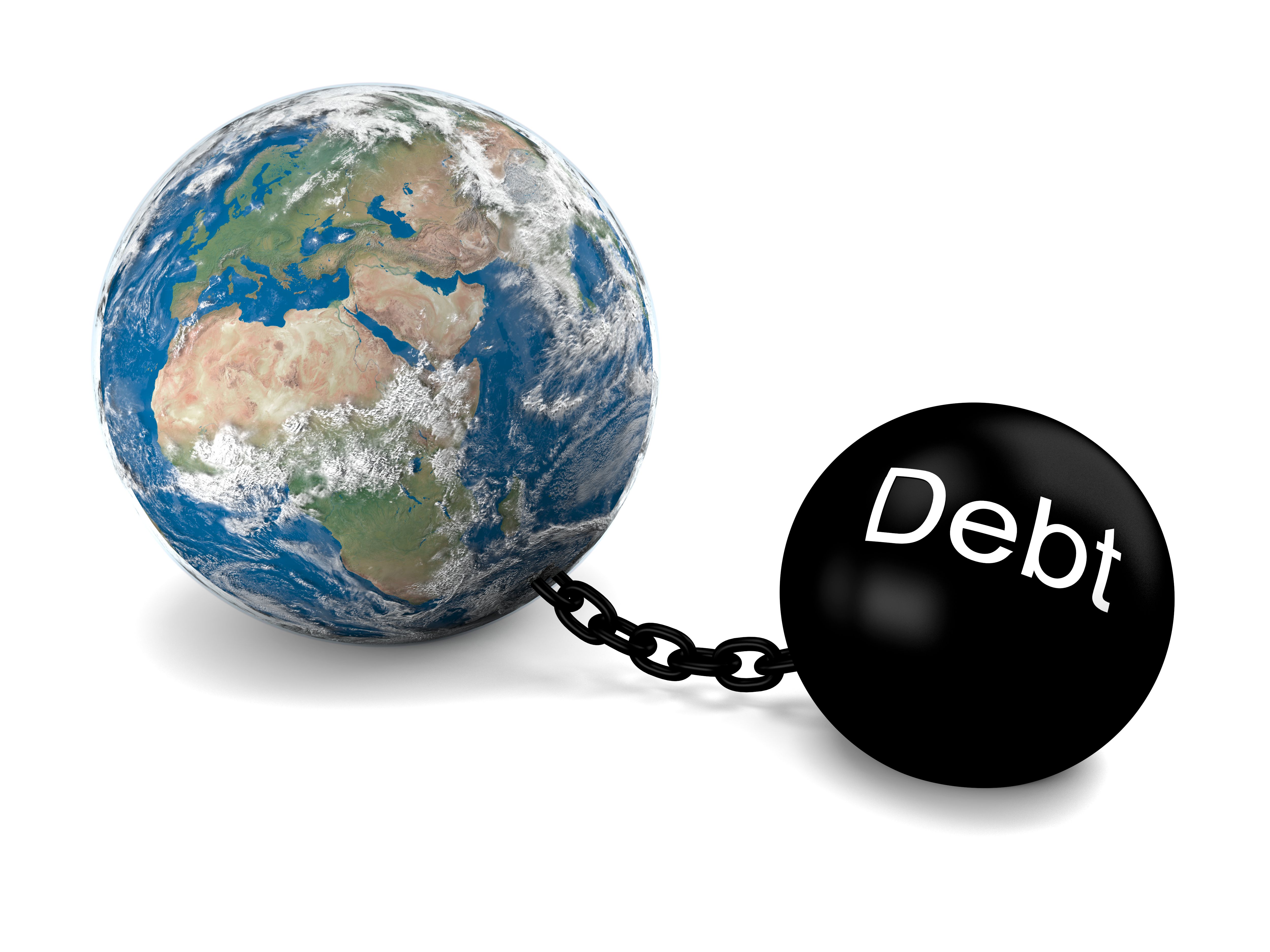
Conversely, countries with weaker fiscal controls may face challenges in managing their debt, leading to economic instability. Understanding these global perspectives helps in assessing the risks and opportunities associated with government debt.
Conclusion
Government debt is a complex but essential component of economic management. While it can be a powerful tool for growth, it requires careful monitoring and management to ensure it does not become a burden. By understanding government debt, individuals and policymakers can make informed decisions that promote economic stability and growth.