
Understanding Real Rates and Silver's Advantage


Understanding Real Rates
When discussing investments, particularly in precious metals like silver, it's essential to grasp the concept of real interest rates. Real rates are the interest rates adjusted for inflation, offering a more accurate picture of an investor's true return. Understanding these rates helps investors make informed decisions, especially in volatile markets.
Real rates can be positive or negative. A positive real rate indicates that the return on investment exceeds inflation, enhancing purchasing power. Conversely, a negative real rate means inflation is outpacing returns, eroding purchasing power over time. This dynamic plays a significant role in investment strategies.

The Impact of Inflation
Inflation is a critical component of real rates. When inflation rises, the value of money decreases, affecting savings and investments. For example, if the nominal interest rate on a savings account is 3% and inflation is 2%, the real rate is only 1%. This scenario highlights the importance of tracking inflation when evaluating investment returns.
Investors often turn to tangible assets like real estate or precious metals to hedge against inflation. These assets typically retain value better than cash or bonds in inflationary periods. Silver, in particular, has unique advantages in this context.
Silver's Unique Advantages
Silver is not just a precious metal; it's also an industrial commodity. This dual role provides silver with a unique advantage, making it an attractive investment during times of fluctuating real rates. As industrial demand increases, silver's value can rise, offering a potential hedge against inflation.
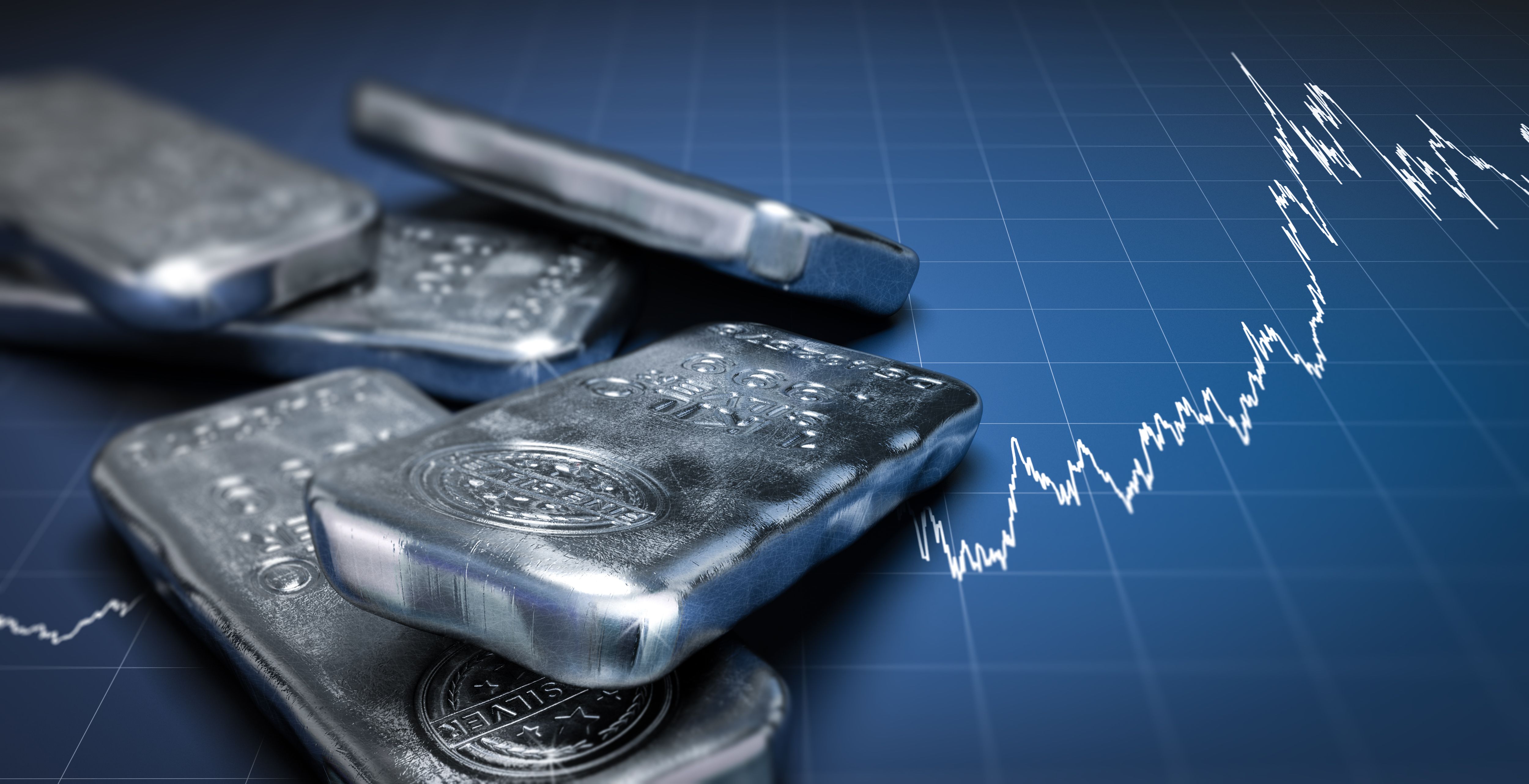
Moreover, silver often acts as a safe haven in economic uncertainty. Investors tend to flock to precious metals when real rates are negative or when inflation is high. Silver's affordability compared to gold also makes it an accessible option for many investors looking to diversify their portfolios.
Silver vs. Other Investments
Compared to other investments, silver offers several benefits. For instance, while stocks can provide high returns, they are also subject to market volatility. Bonds, on the other hand, offer stability but may suffer in times of rising inflation. Silver provides a balance between these extremes, offering both growth potential and stability.

It's crucial for investors to consider their risk tolerance and financial goals when adding silver to their portfolios. Silver can complement other investments, providing a buffer against economic fluctuations and helping maintain purchasing power in the long term.
Conclusion
Understanding real rates and their impact on investments is vital for making informed financial decisions. Silver's unique properties as both a precious metal and an industrial commodity make it a valuable asset in any diversified portfolio. By considering real rates and inflation, investors can better navigate the complexities of the financial landscape and protect their wealth.