
Understanding Silver Prices and Market Trends


Introduction to Silver Market Dynamics
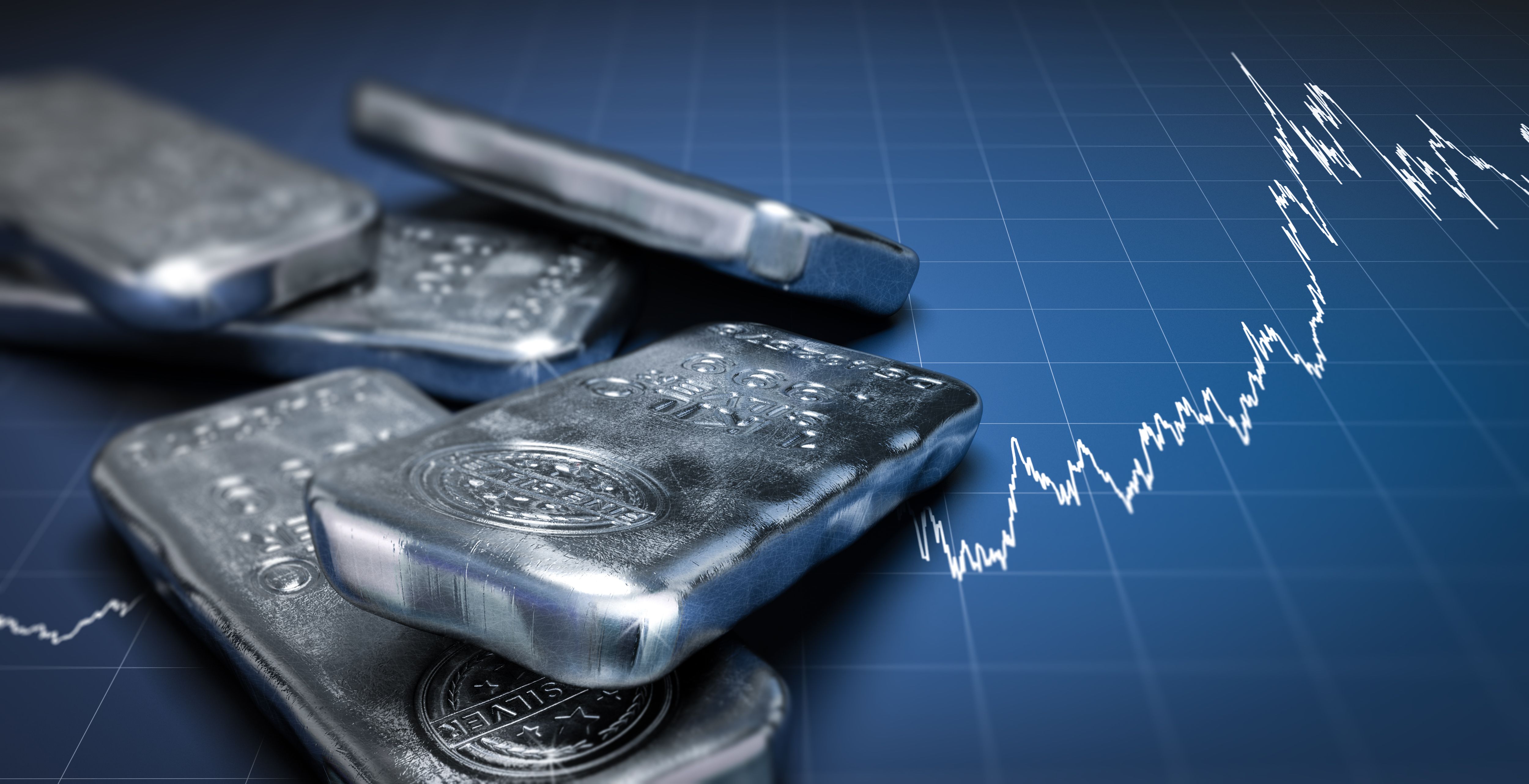
Understanding silver prices and market trends is crucial for investors and enthusiasts alike. Silver, often overshadowed by gold, plays a significant role in the global economy. Its value is influenced by various factors, including industrial demand, geopolitical events, and market speculation.
Unlike gold, which is primarily used as a store of value, silver has extensive industrial applications. This unique characteristic means that shifts in technology and industry can significantly impact silver prices.
Factors Influencing Silver Prices
Industrial Demand
Silver's conductivity and reflectivity make it essential in electronics, solar panels, and other industrial applications. As technology evolves, the demand for silver in these sectors can drive price changes. For instance, the rise of renewable energy has increased the need for silver in solar technology.
Geopolitical and Economic Events
Geopolitical tensions and economic instability can lead investors to seek safe-haven assets like silver. During uncertain times, silver often becomes more attractive, driving up its price. Additionally, currency fluctuations can also play a role in silver’s valuation.

Market Speculation and Investor Behavior
Market speculation can significantly impact silver prices. Investors who anticipate changes in the market may buy or sell silver to capitalize on expected price shifts. This behavior can create volatility, influencing short-term price movements.
Moreover, trends in investment vehicles like exchange-traded funds (ETFs) can also affect silver prices. As more investors turn to these options, the demand for physical silver can fluctuate.
Analyzing Historical Trends
Studying historical price trends is essential for understanding future movements. By analyzing past data, investors can identify patterns and make informed decisions. Here are a few key points to consider:
- Silver tends to perform well during periods of high inflation.
- Past economic downturns often saw a rise in silver prices as a safe-haven asset.
- Technological advancements have historically increased demand for industrial silver.
Strategies for Silver Investment
Diversification
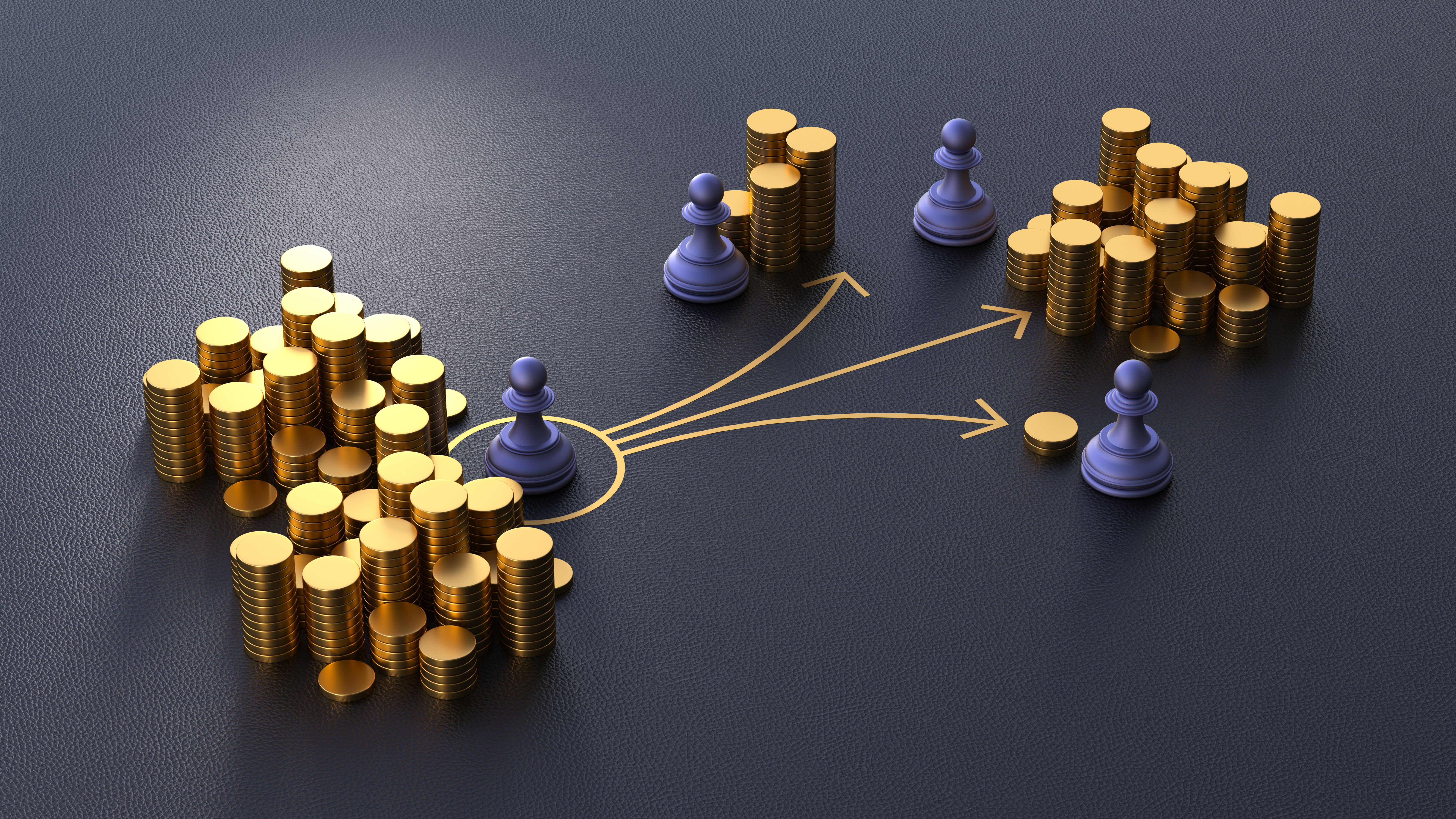
Diversifying your investment portfolio can help mitigate risks. Including silver alongside other assets like stocks and bonds can provide stability. Diversification allows you to balance potential losses in one sector with gains in another.
Long-term vs. Short-term Investments
Deciding between long-term and short-term investments in silver depends on your financial goals. Long-term investments may benefit from gradual price appreciation, while short-term trading might exploit market volatility for quicker gains.
The Future of Silver
The future of silver is filled with potential. With the growing emphasis on renewable energy and technological advancements, the demand for silver is likely to increase. Additionally, as global economies continue to evolve, silver's role as both an industrial and investment asset will remain significant.
Understanding the complexities of silver prices and market trends can empower investors to make informed decisions and capitalize on opportunities in this dynamic market.