
Understanding Silver's Value in an Inflationary World


The Role of Silver in Modern Economies
In today's economic landscape, understanding how to safeguard your wealth is crucial. As inflation continues to rise, many are turning to precious metals as a hedge against currency devaluation. Among these, silver has emerged as a noteworthy contender. Its unique properties and historical significance make it a valuable asset in an inflationary world.
Silver, unlike paper currency, maintains its intrinsic value irrespective of economic fluctuations. This precious metal has been used as a form of currency and a store of value for centuries, proving its resilience over time. As inflation diminishes the purchasing power of money, silver remains a tangible asset that can help preserve wealth.
Inflation and Its Impact
Inflation is a persistent increase in the general price level of goods and services. It erodes purchasing power, meaning that over time, your money buys less. In such environments, investors often seek assets that traditionally hold value, like silver. This metal is not only a hedge against inflation but also acts as a buffer against economic uncertainty.
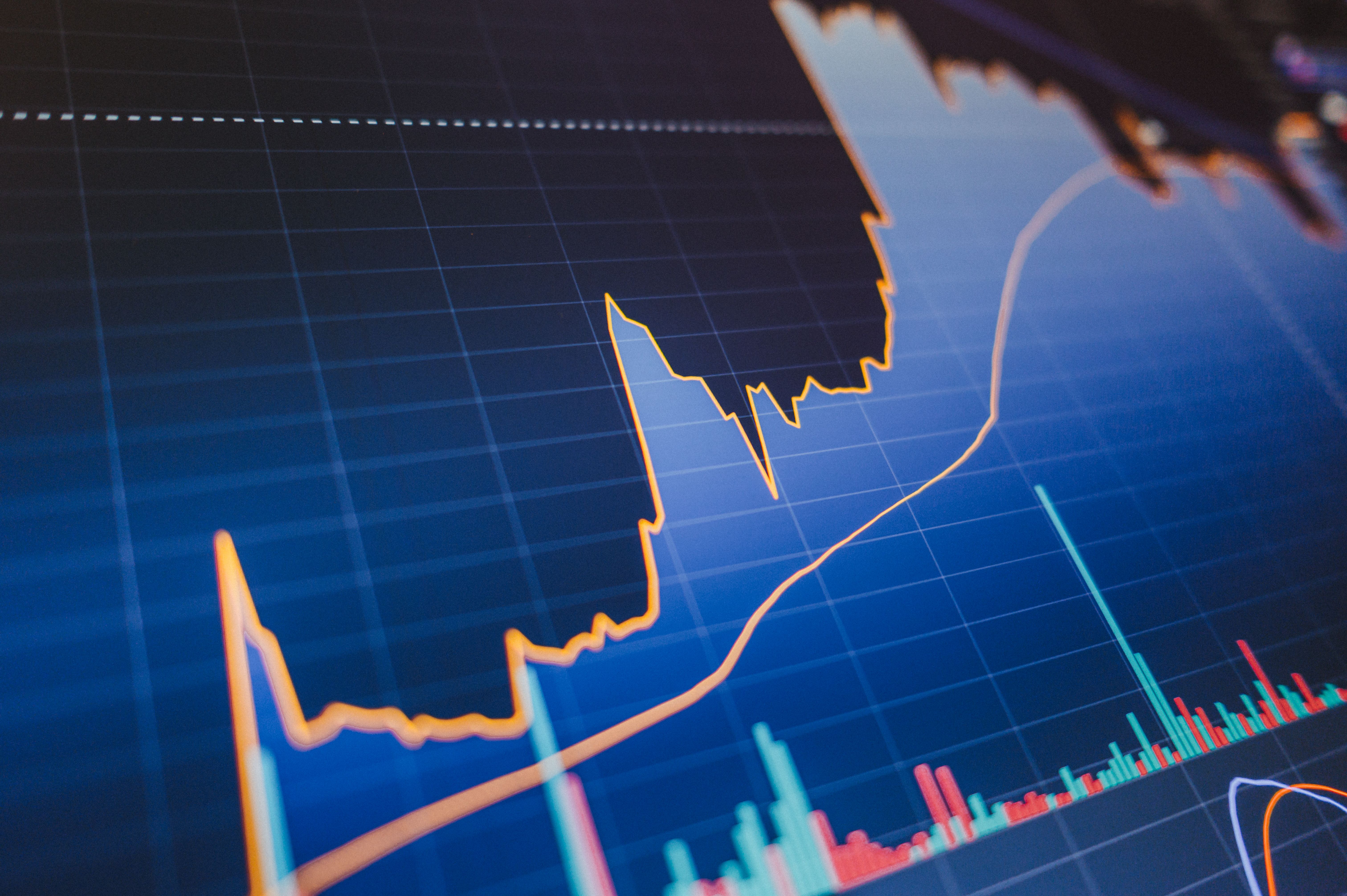
Historically, silver prices tend to rise during periods of high inflation. This is because investors look for safe havens to protect their wealth. As demand for silver increases, so does its price, making it a potentially profitable investment.
Why Silver is a Strategic Investment
Silver's value in an inflationary world is not just about preserving wealth; it's also about potential growth. Compared to gold, silver is more accessible and affordable, allowing more investors to participate. Its industrial applications in electronics, solar panels, and medicine also contribute to its demand.
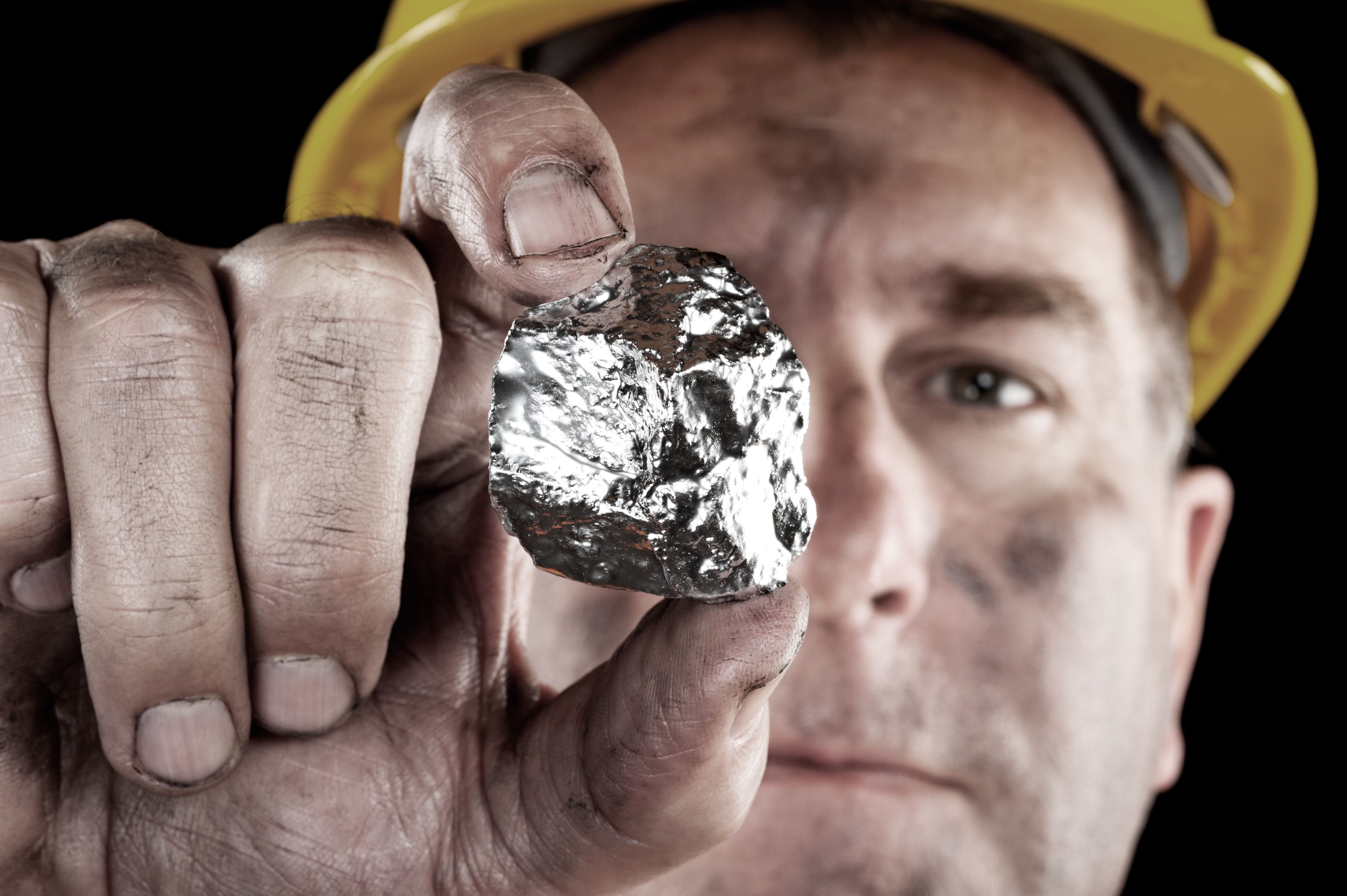
Moreover, the supply of silver is limited. As mining becomes more challenging and costly, the scarcity of silver may drive prices higher. This makes silver a strategic choice for those looking to diversify their investment portfolios.
Investing in Silver
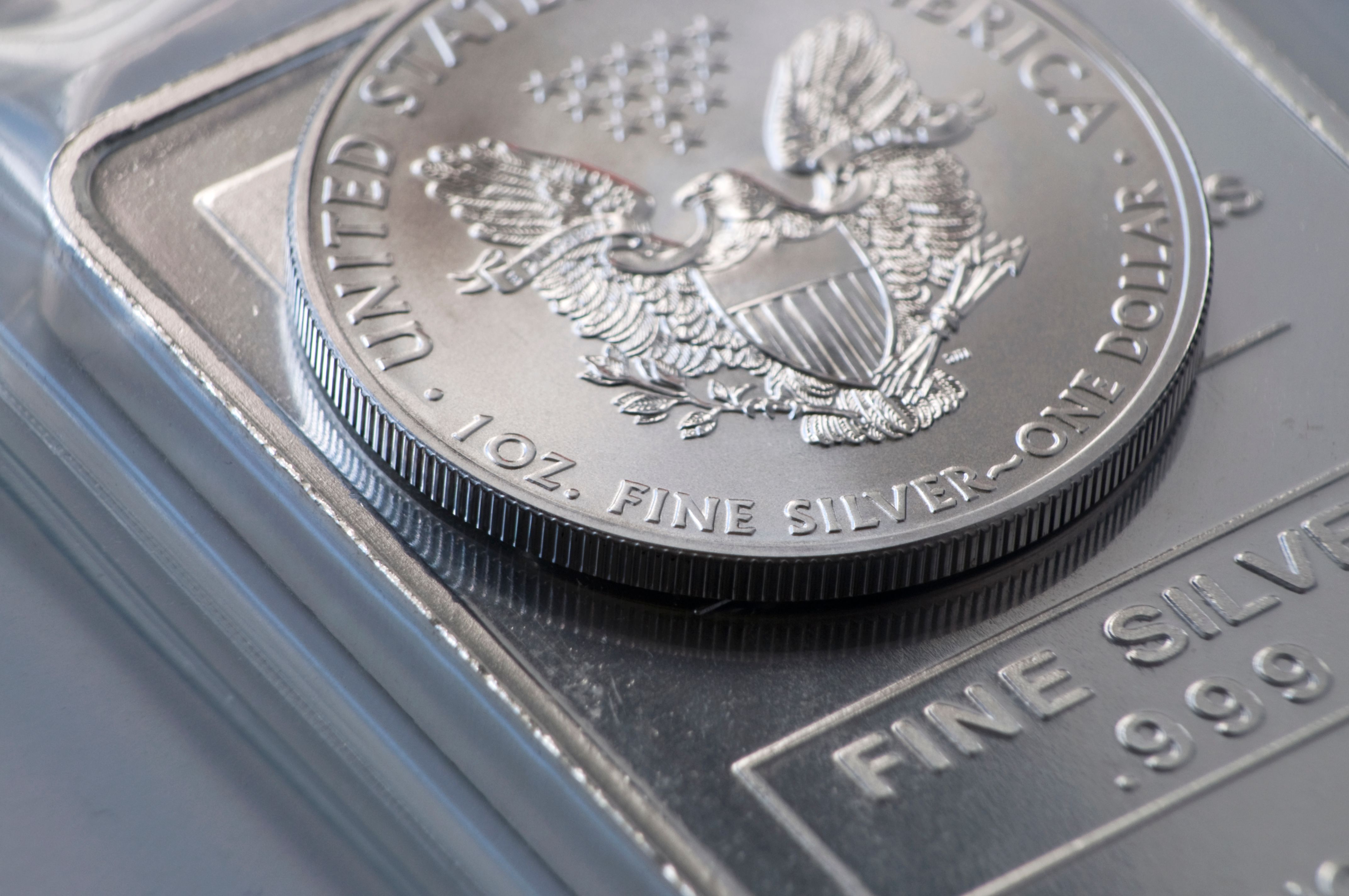
There are several ways to invest in silver. Some prefer physical silver, such as coins and bars, which can be stored and insured. Others opt for silver exchange-traded funds (ETFs) that offer exposure to silver prices without the need to store physical metal.
- Physical Silver: Coins and bars are tangible and can be stored in a safe deposit box or at home.
- Silver ETFs: These funds track the price of silver and can be traded like stocks.
- Silver Stocks: Investing in mining companies can offer exposure to silver's price movements.
Understanding the various investment options can help you choose the best way to incorporate silver into your financial strategy.
The Future of Silver
As the world continues to face economic challenges, silver's role as a stable and valuable asset is likely to grow. Its dual role as an industrial metal and a store of value makes it a compelling choice for investors looking to hedge against inflation and diversify their portfolios.
Whether you're a seasoned investor or new to the world of precious metals, understanding silver's value can provide insights into how to protect and grow your wealth in an uncertain economic environment.
