
Understanding the Federal Reserve's Impact on Interest Rates and Market Movements


Introduction to the Federal Reserve
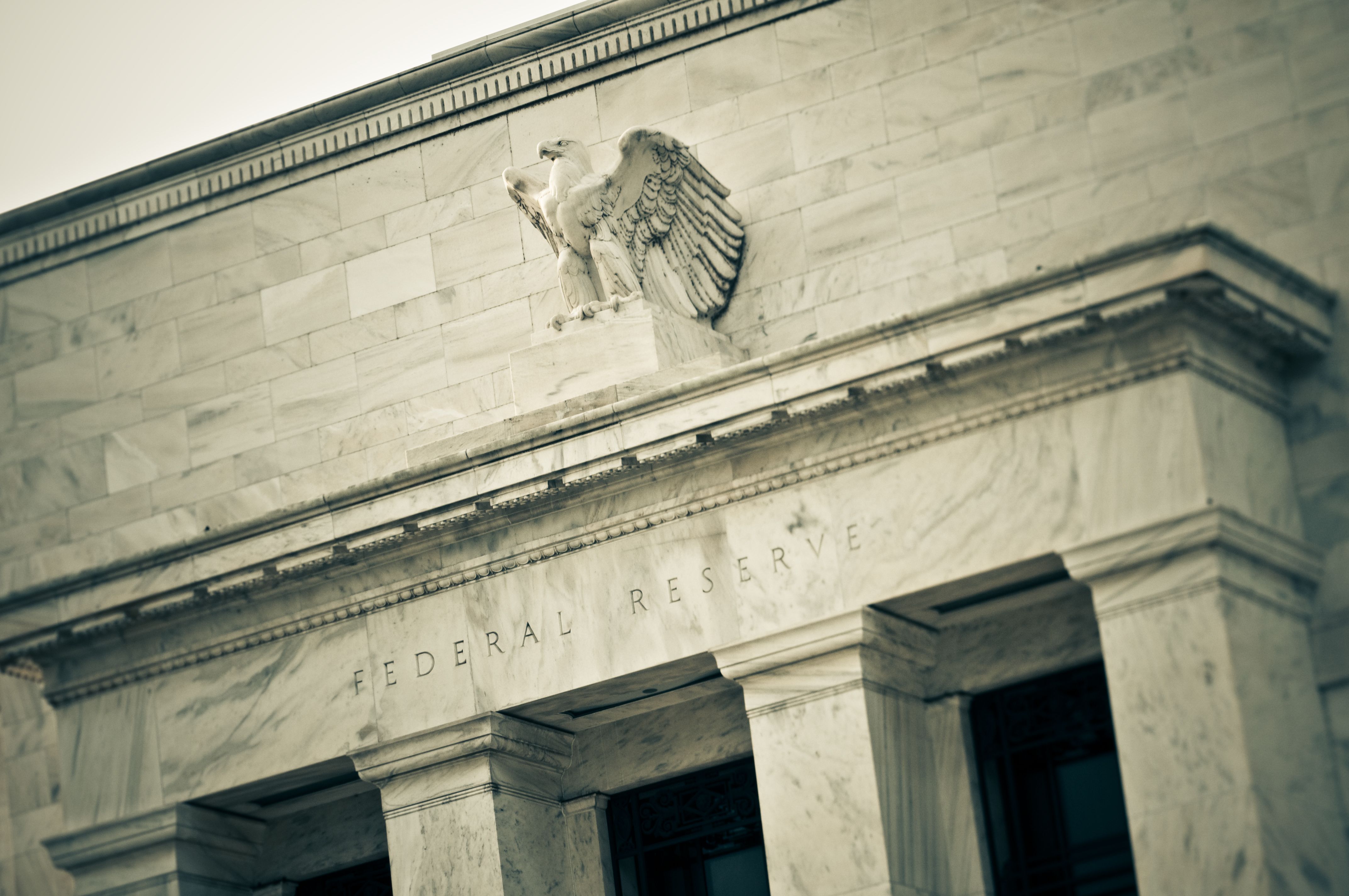
The Federal Reserve, often referred to as the Fed, plays a crucial role in the United States economy. It is the central bank of the U.S., responsible for regulating the nation's monetary and financial system. Understanding how the Fed operates and its impact on interest rates is essential for anyone interested in finance and market movements.
The Fed's Role in Setting Interest Rates
One of the primary functions of the Federal Reserve is to influence interest rates. It does this through the Federal Open Market Committee (FOMC), which meets regularly to evaluate economic conditions and set the federal funds rate. This rate is the interest rate at which banks lend to each other overnight and serves as a benchmark for various other rates throughout the economy.
Changes in the federal funds rate can have a ripple effect on everything from mortgage rates to credit card interest rates. When the Fed lowers rates, borrowing becomes cheaper, potentially stimulating economic activity. Conversely, raising rates can help cool an overheating economy and curb inflation.
Impact on Market Movements
The Federal Reserve's actions can significantly influence market movements. Investors closely monitor Fed announcements and signals for clues about future policy changes. A decision to raise or lower interest rates can lead to immediate reactions in the stock and bond markets.

For example, a rate hike might lead to a decline in stock prices as borrowing costs increase and future corporate profits are potentially squeezed. On the other hand, a rate cut could boost equities as cheaper borrowing costs can lead to greater business investments and consumer spending.
Tools Beyond Interest Rates
Besides setting interest rates, the Fed uses other tools to influence the economy. Quantitative easing (QE) is one such tool, involving the purchase of government securities to inject liquidity into the financial system. This can lower long-term interest rates and encourage investment during times of economic slowdown.
- Open Market Operations
- Discount Rate Adjustments
- Reserve Requirements

Global Implications
The Federal Reserve's policies don't just impact the U.S. economy; they can have global repercussions. As the U.S. dollar is the world's primary reserve currency, changes in U.S. interest rates can influence exchange rates, global trade, and capital flows across borders.
Emerging markets, in particular, may feel the effects of Fed policy shifts as capital moves in response to changing interest differentials. This can affect their economic stability and growth prospects.
Conclusion
Understanding the Federal Reserve's impact on interest rates and market movements is essential for investors, policymakers, and anyone with a stake in the global economy. By carefully analyzing Fed actions and statements, stakeholders can make more informed decisions and better navigate the complex landscape of financial markets.